.svg)
.svg)
Home - Blog
On a recent morning, Nafisa Abdulraziqu arrives at a health clinic in the small village of Unguwar Shayau, ready to help. As the community mobilizer for that clinic, she will go around the community, reminding families to bring their babies to the clinic for their vaccinations.
Nafisa, who is 25 years old and has two children, is from this community and has been working in this role for several months, so she already has a good sense of where she needs to go. She knows the families and has been keeping track of which babies are due for vaccinations and when. When the clinic opens, she checks the clinic records to confirm who she needs to follow up with, then heads out on foot to talk to the families whose babies are due for vaccinations. “I go call on them, to remind them, and many of them show up,” says Nafisa. Many people, especially women, in this area don’t have mobile phones, so this is the only way to reach them.
Community mobilizers—often affiliated with the Federal Government of Nigeria and initiatives like CGPP (CORE Group Partners Project) and UNICEF in Nigeria—are selected from clinic catchment areas and play a crucial role in linking families to health services. They are present at immunization sessions, and their support remains vital: walking door to door, tracking newborns, educating families, and guiding caregivers back to clinics when their children are due for vaccinations.
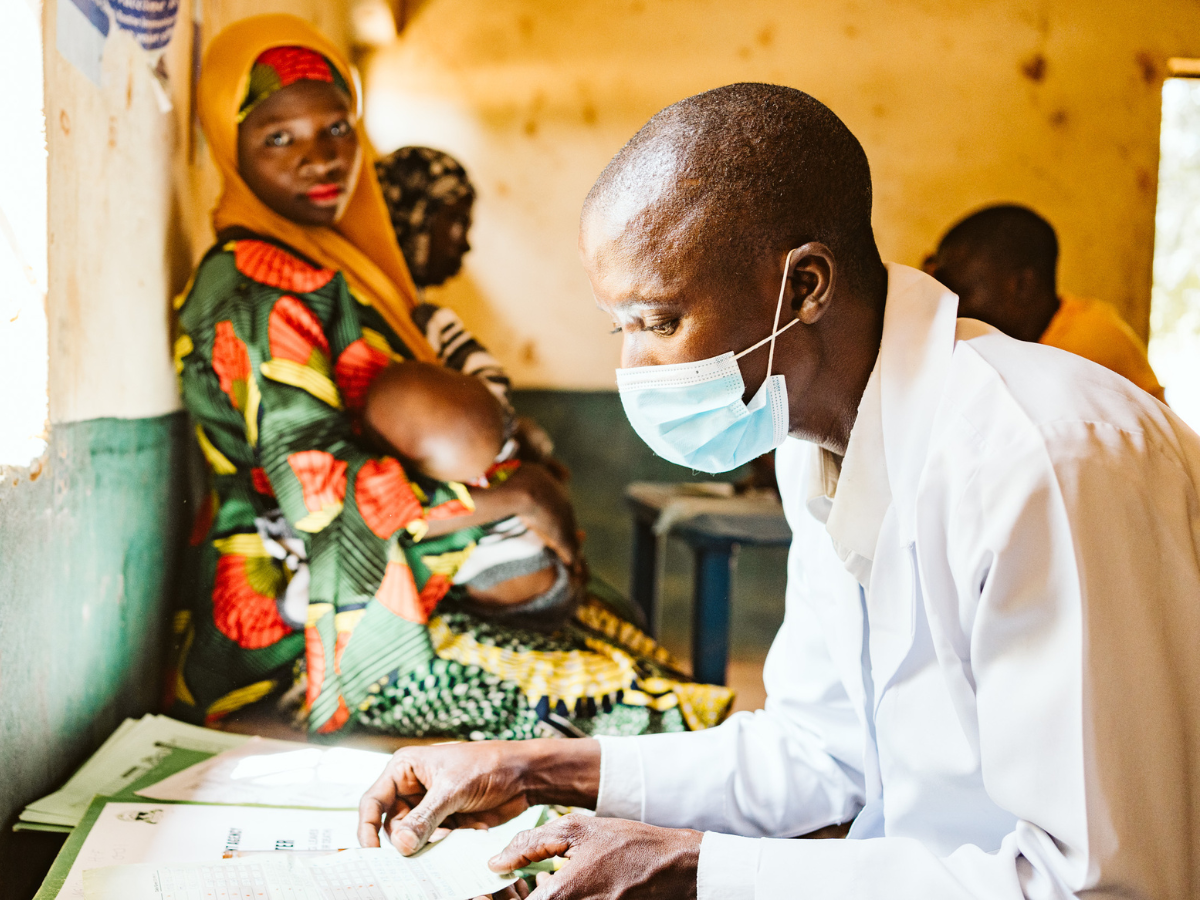
The vaccination rates in Kebbi State are extremely low by global standards––at least 40% of children in Kebbi are “zero-dose.” Reaching this population has been a huge challenge: Many children are born at home––as was Nafisa’s nine-month-old––and many births are not recorded, making it difficult to locate where unvaccinated children reside, much less persuade families to have their children vaccinated.
When Nafisa goes house to house, she not only checks on babies who are due for vaccinations, but also identifies new births. She encourages mothers to bring their child in for their first vaccines if they haven’t already.
Occasionally, a parent will bring their child in before the scheduled date. “They think if they come before the date, they’ll get the incentive sooner,” she smiles. In other cases, parents come at the wrong time because they are unable to read and understand the information on their child’s health card.
Nafisa is one of the few mobilizers who can read and write—a skill that helps her verify records and explain them clearly to parents. To prevent errors, she cross-checks the government-issued child’s health card with the All Babies caregiver card. “When they arrive at the clinic, I check the child's health card to see if it's the right time for them to come,” says Nafisa. Stringent protocols and tracking ensure that incentives are only offered when vaccinations are due and after verifying they have been administered. Staff then cross-check the ID numbers on the government-issued child health card and a card issued by New Incentives, confirming they match and that the records correspond to the child in front of them.
In her community of Unguwar Shayau, vaccine hesitancy persists, especially among men.
"It's often the husbands who refuse," Nafisa says. “Most mothers just don't have the information or confidence to convince them."
Nafisa’s husband, Abdulraziqu, lost two sons (with another wife) to preventable diseases before changing his stance on vaccines. Health workers told him vaccination could have prevented their deaths. He now ensures all his children are vaccinated.
Nafisa has always believed in vaccination––she comes from a family where vaccination is standard practice and still keeps her own childhood vaccination card. Her two sons with Abdulraziqu are up to date on their vaccinations—the older one fully vaccinated and the nine-month-old current on his shots.
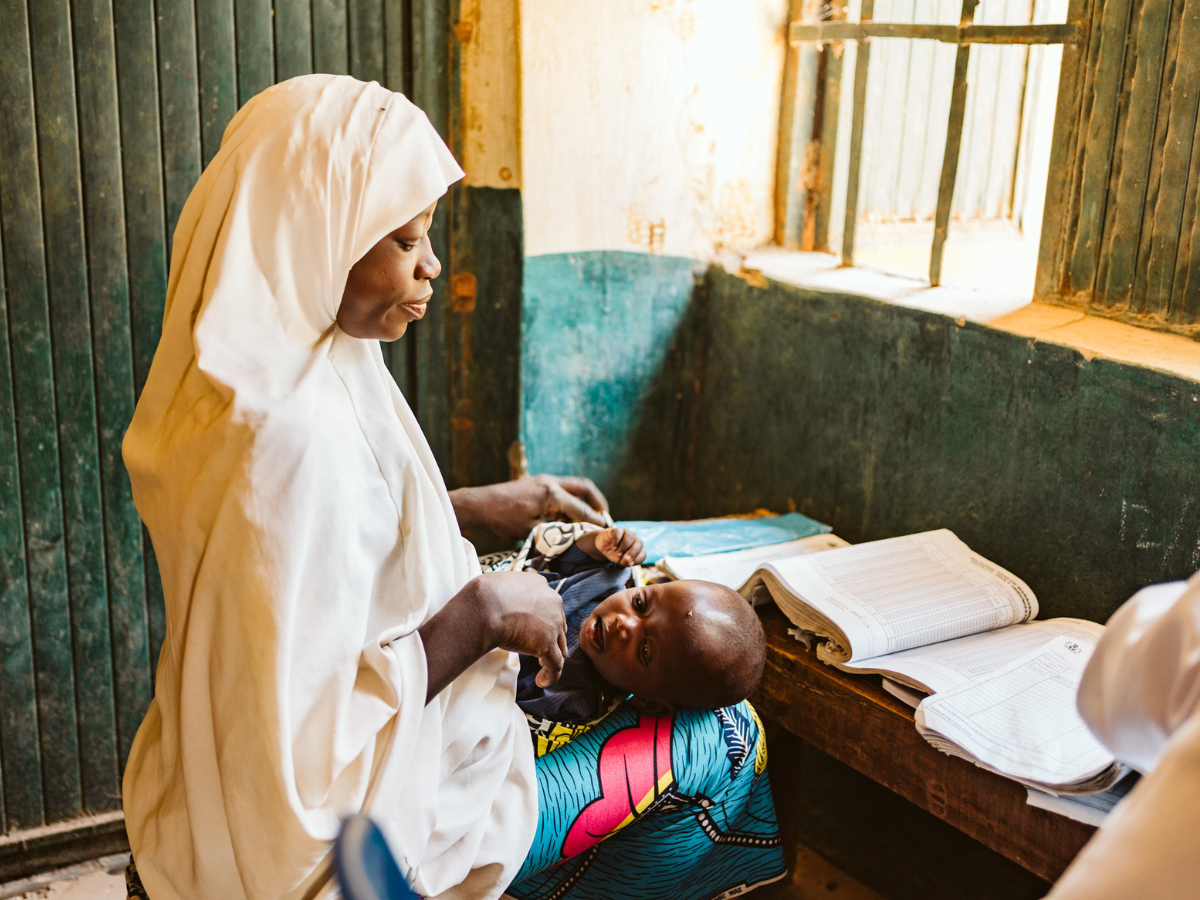
Besides the satisfaction of educating women and addressing vaccine hesitancy, there are other benefits for Nafisa as well.
“My fellow women respect me for the help I am offering. Even those who didn't talk to me before do now because of the work they see me doing,” she says.
Such talk and trust building has power. Across Nigeria, these mobilizers are helping reach communities with high proportions of zero-dose and undervaccinated children. They play an important role in strengthening health outcomes and, ultimately, saving lives.
Get the latest blogs and program updates sent to your inbox. We send emails sparingly.


Follow us on social media to stay up to date on our rapid growth.

_Ibrahim%20Umaru%20(Infant)_Belshi%20Hebrew%20(FO)%20(1).jpg)

%20(1).png)

.png)