.svg)
.svg)
Home - Blog
Home - Blog
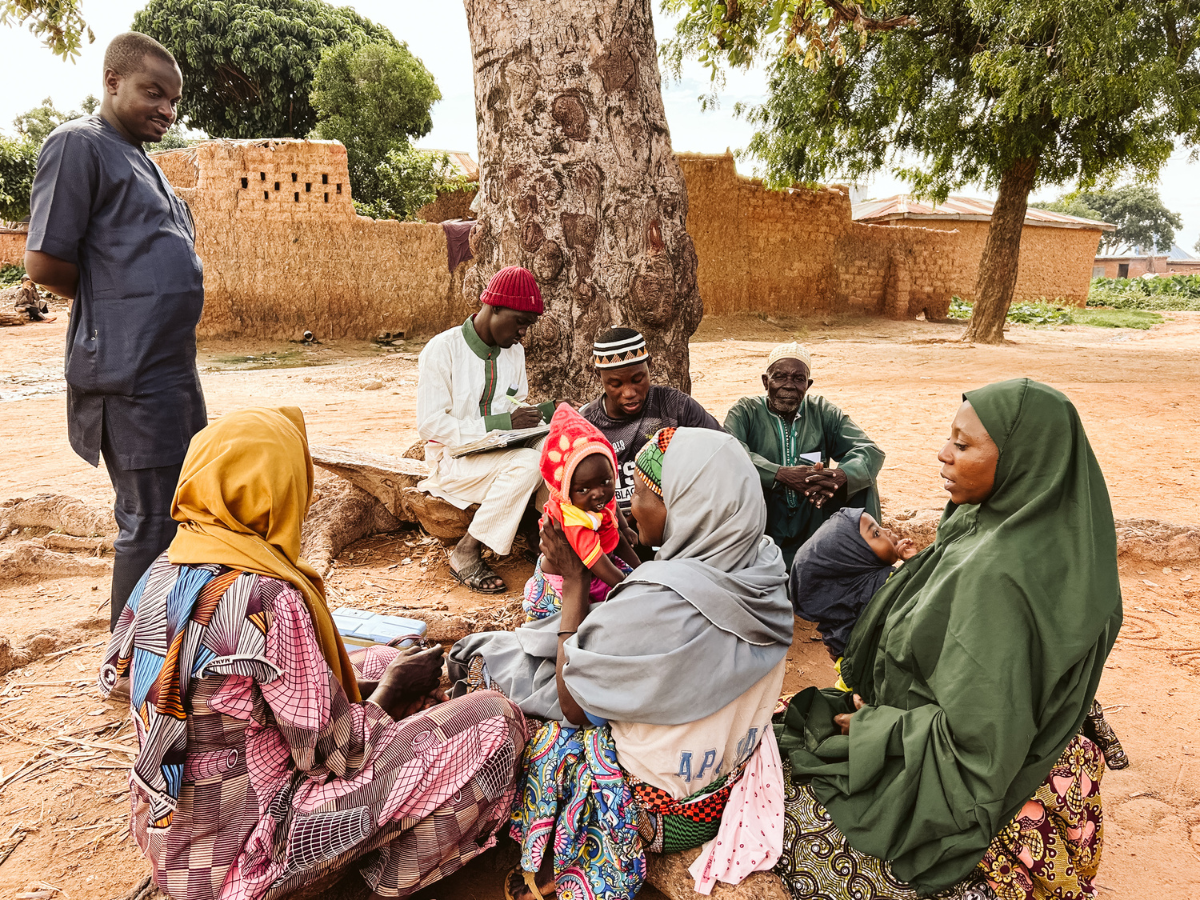
On a recent day, the Ward Head of Baburi joined a routine immunization officer and a field manager from New Incentives on a mission to raise awareness and correct misinformation in the villages of Gidan Ruwa and Doka Babba, located south of the city of Kano in northern Nigeria. The team wanted to reach the communities before the farmers dispersed to their farms.
By the time they gathered in the neighboring community of Baburi, the air was still cool from the night’s rain. Farmers were tightening their sandals, swinging hoes onto their shoulders, and preparing to leave for the fields.
The visit was deliberate. Clinic staff had reported that infants in Gidan Ruwa and Doka Baba were missing vaccination visits because some men discouraged their wives or other family members from getting their babies vaccinated. The team’s goal was to meet these men, listen to their concerns, and help them understand why vaccinating their children matters—an effort to replace hesitation with trust.
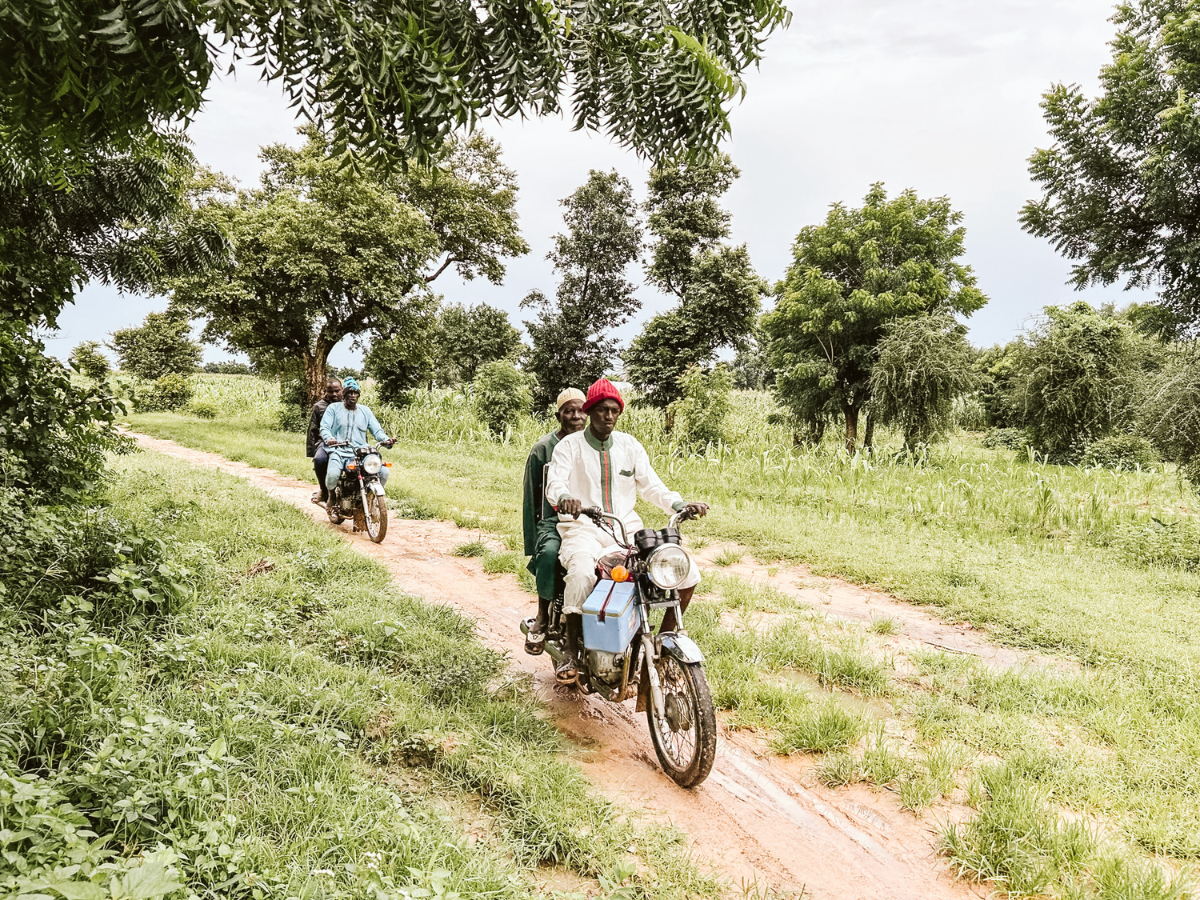
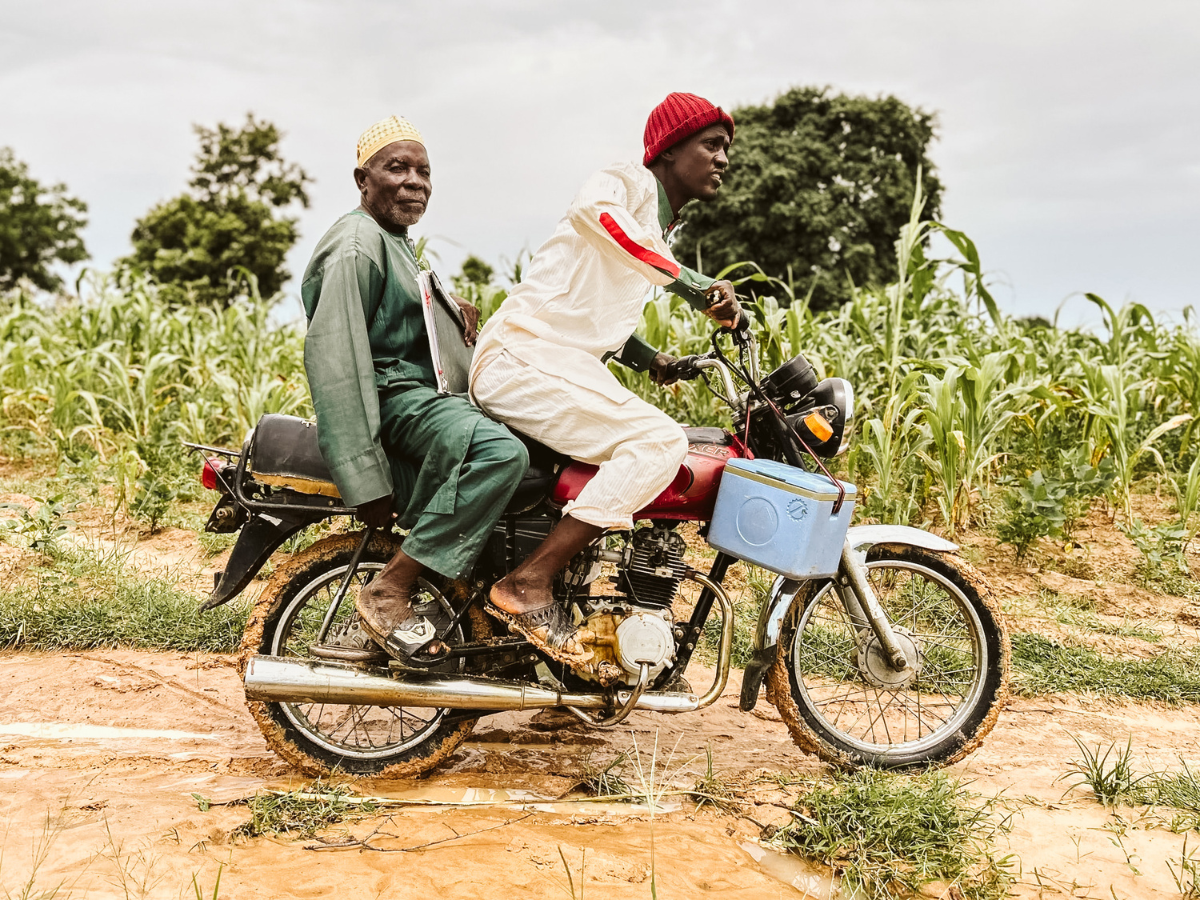
The routine immunization provider, Jamilu Sale, led the way down the muddy red path, balancing a portable vaccine carrier on the motorcycle. The ward head sat behind him, clutching a register, its pages fluttering in the breeze. The rest of the team followed them through puddles and down slippery slopes. “Sometimes,” the ward head shouted over the sound of the engine, “you have to go to the people. If we wait for them, many children will miss their vaccines.”
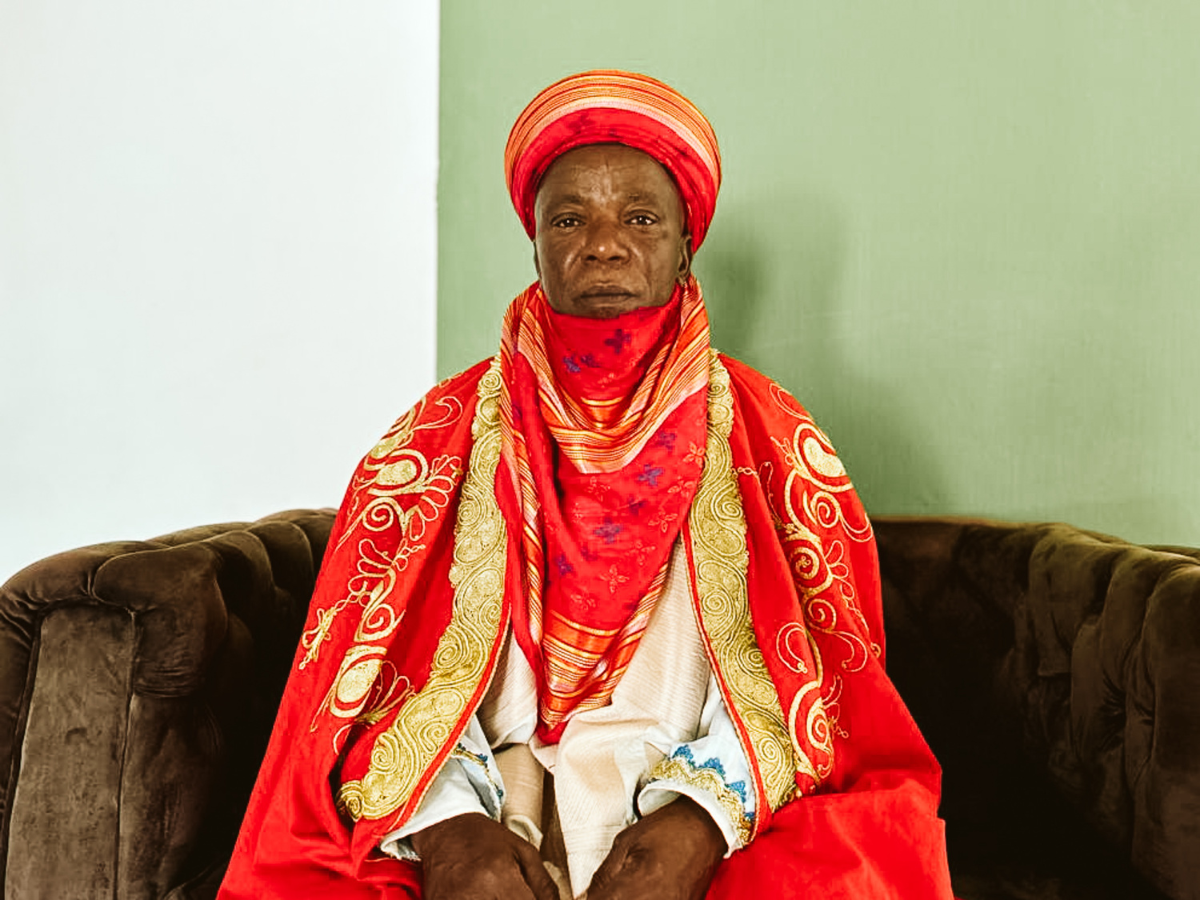
In northern Nigeria, two enduring institutions shape community life: tradition and religion. In Kano, the Emir (Sarki) stands at the top of the traditional hierarchy, supported by the district head (Hakimi), village head (Dagaci), and ward head (Maiunguwa), who bridge families with the larger community. Alongside them, imams (Limamai) guide the moral and spiritual life of the people. Together, their words carry immense influence, shaping how communities understand trust, health, and care.
Since we started operating in 2017, New Incentives has partnered with traditional and religious leaders through scheduled advocacy visits. We support the states in ensuring that the leaders receive regular briefings on immunization performance, emerging concerns, and upcoming campaigns. We also engage selected leaders in live media advocacy to educate the public and address misconceptions about routine immunization. These efforts help align community mobilization with state and facility priorities.
During a previous visit to Gwaram in Jigawa State, the district head, Alhaji Abubakar Tijjani, shared why traditional leadership remains at the heart of immunization efforts.
“When people face any difficulties,” he said, “they come to us first, not the government. This presents us with an opportunity to speak to them about vaccination and other related matters, and they listen to us. We use counseling, not coercion. We talk to them like fathers guiding sons.”
He said that because traditional leaders’ approach is grounded in patience and dialogue, it often resolves resistance faster than any policy could. “The incentive helps,” he acknowledged. “Some men refuse [to have their babies vaccinated] because of poverty. When there’s no food at home, and a wife asks for transport money, there’s conflict. The support given by All Babies [New Incentives] has helped us change that.”
The influence of traditional and religious leaders is a rhythm that runs through all community health work in the region. When vaccination campaigns are planned, for instance, the district head informs the village head, who delegates to ward heads like Abdu Usman of Baburi. Each ward head mobilizes town announcers, who move from settlement to settlement, calling families to bring their children. “It’s how everyone gets to know,” Abdu explained. “We tell them the date, and the announcers go around all the areas. When the vaccinators arrive, people are ready.”
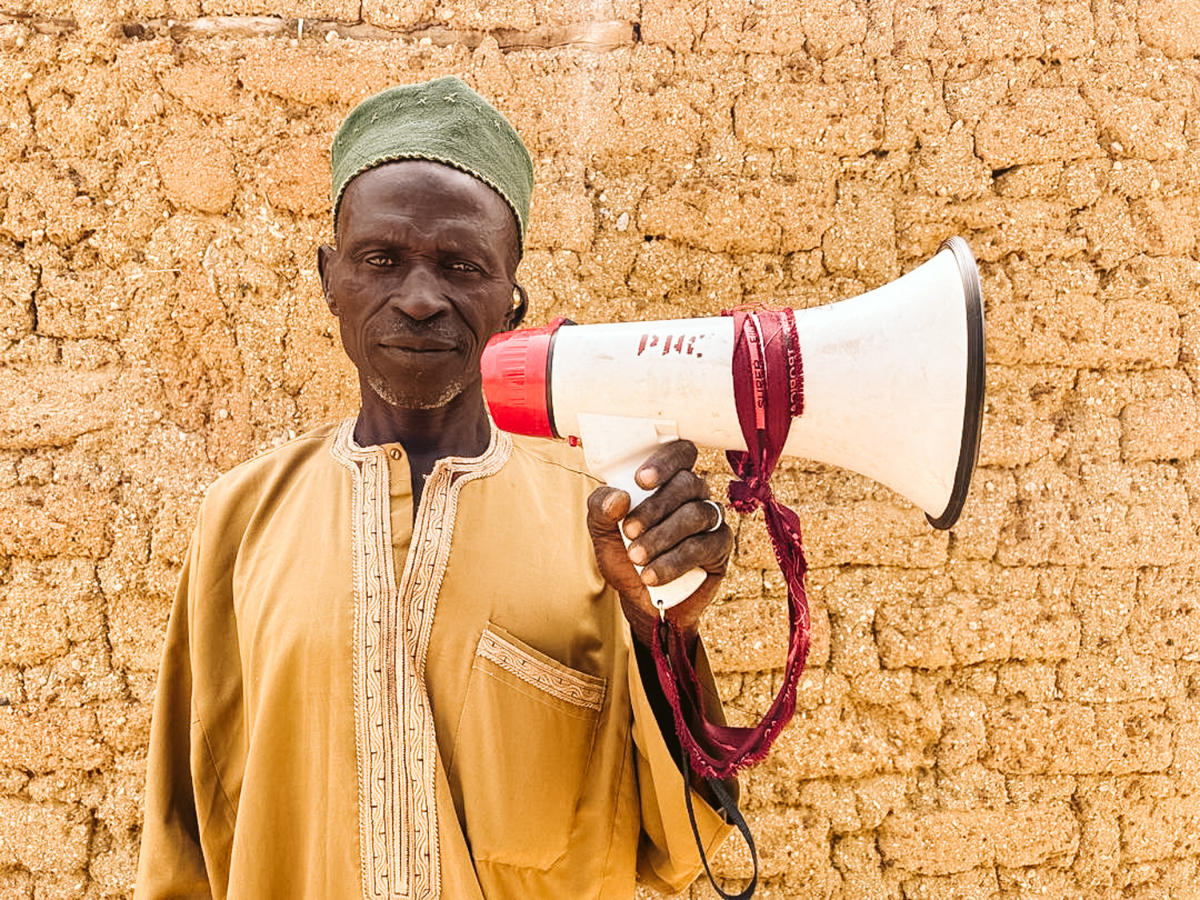
He smiled as he described how the incentives have strengthened this network. “The ₦1,000 support helps families who have no transport or food. At first, some suspected it wasn’t good, but when we explained it helps buy paracetamol or something small for the child, they accepted it.”
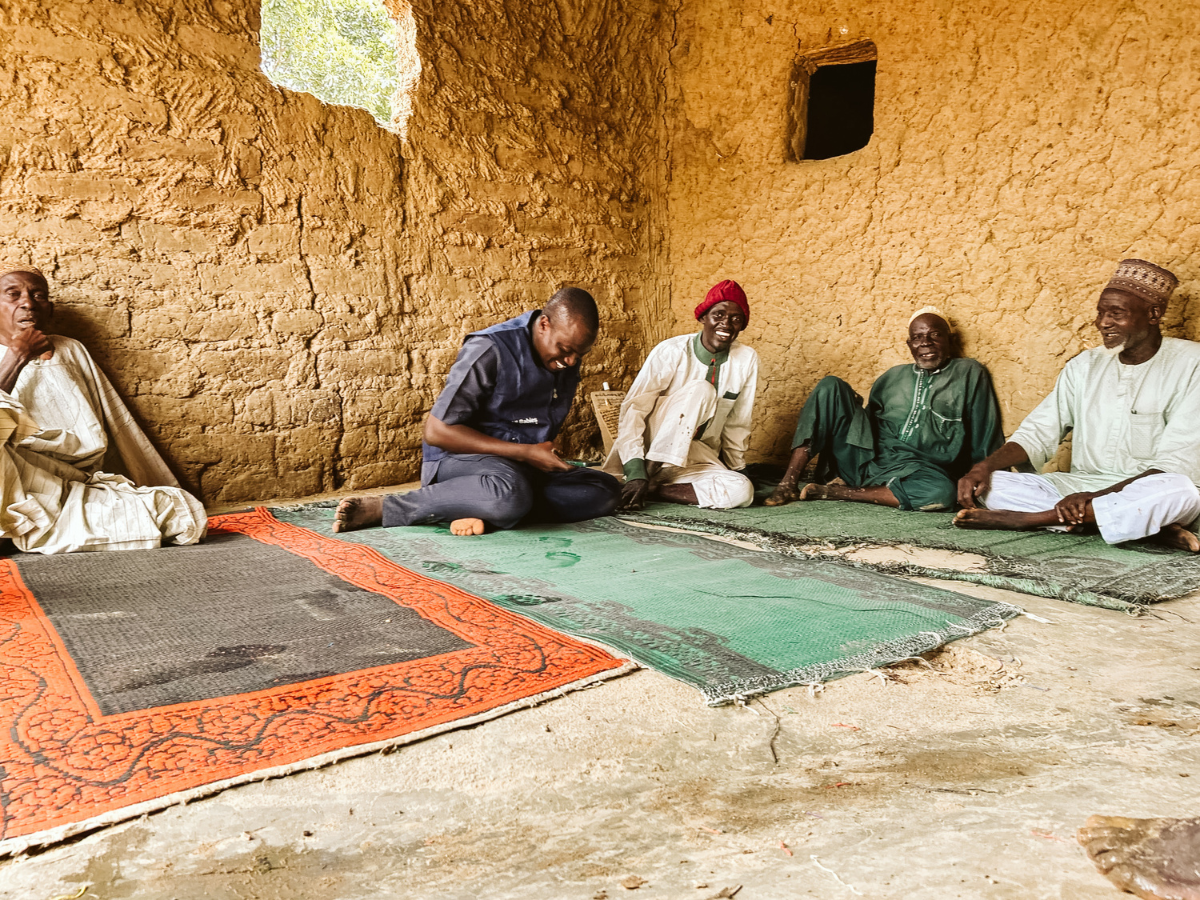
Upon arrival at Gidan Ruwa, the team greeted a group of elders seated under a neem tree before proceeding to an open clay gathering room where the community imam, Mallam Hassan Umar, receives guests and Quranic students. Mallam Hassan is a respected religious figure across Tudun Wada—which has over 300,000 residents across more than 20 villages—and beyond.
Inside, the ward head formally introduced the team and explained the purpose of the visit. The imam then instructed one of the young men studying under him to go summon all adult men in the community. Within minutes, more than 20 men assembled, including some younger community members.
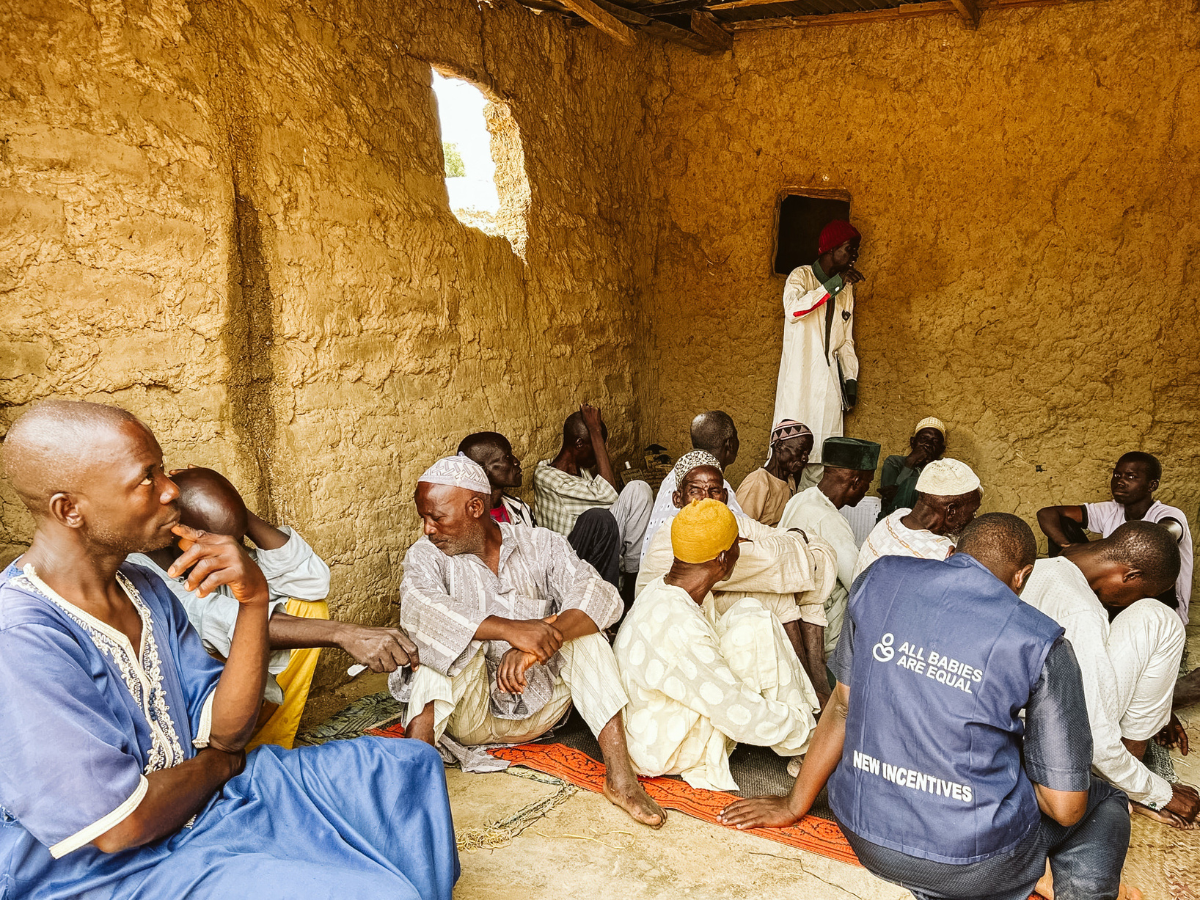
Jamilu stood to explain the importance of routine immunization and why husbands should support their wives in completing the vaccinations.
“These vaccines keep our children healthy,” he told them in Hausa. “They are not politics or magic; they are a mercy from God.”
Some men nodded or murmured in agreement. Others listened cautiously.
During the meeting, the conversation turned practical. Umar Alkassim, a farmer, asked whether vaccination was only for newborns or also for older children. New Incentives Field Manager Ali Tijjani explained that routine childhood immunization begins at birth with the BCG vaccine and continues until 15 months. He also emphasized that every child has the right to vaccination, whether or not the caregiver receives the ₦1,000 incentive.
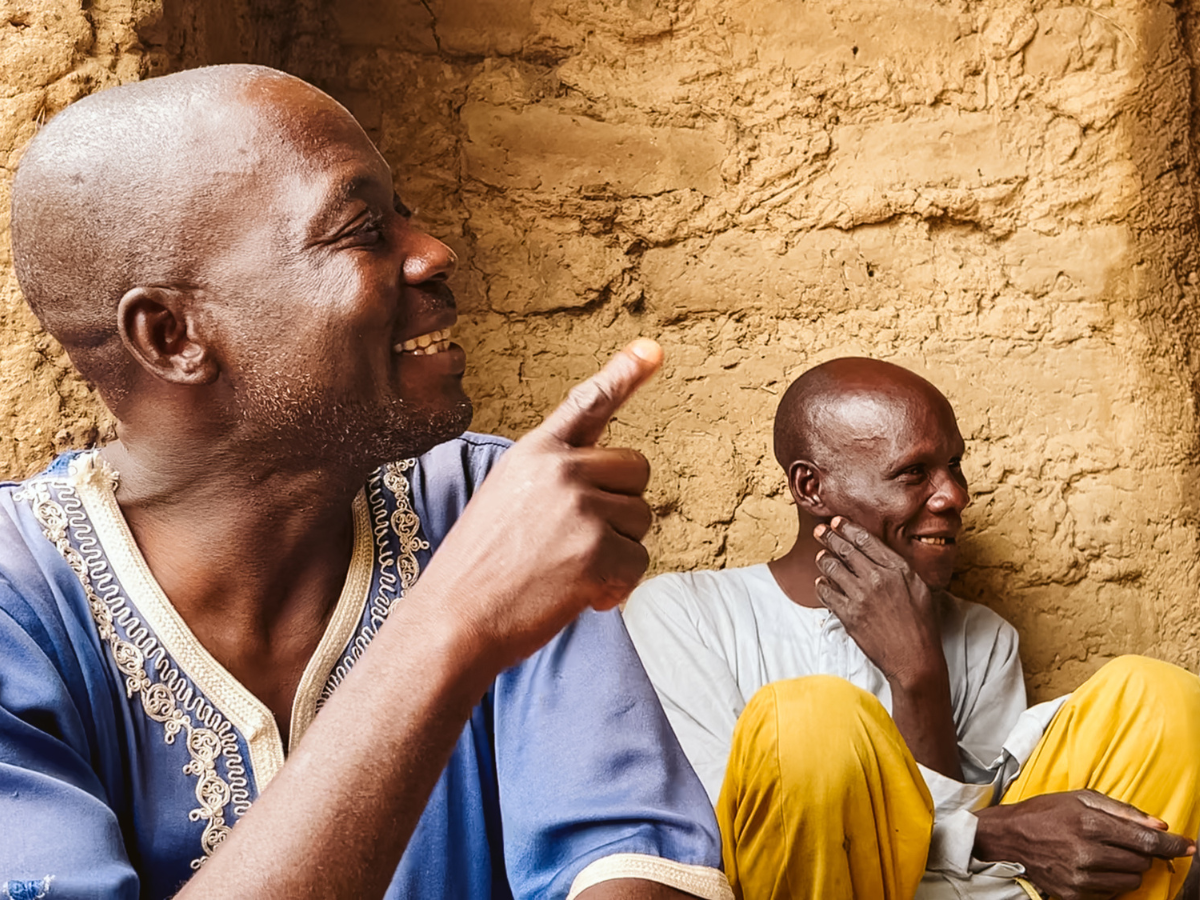
Another man voiced a common worry shared by many fathers—fever after vaccination. Jamilu addressed it calmly, saying, “A mild fever after vaccination is normal. It means the body is building protection. Usually, it goes away after a day or two. Give the child paracetamol, keep them hydrated, and continue feeding. But if the fever becomes high or lasts longer than two days, come back to the clinic. Don’t stop completing your child’s doses—each vaccine protects against diseases like whooping cough, tetanus, and diphtheria.”
For Ali Tijjani, a New Incentives field manager, days like this define the heart of his work.
“We planned this awareness session a week ago,” he said, wiping mud from his boots. “Rain delayed us, but we came. The road was bad. At one point, we had to push the motorbikes. Still, we made it here, and the people listened. It was worth every step.”
He smiled, recalling how the community imam Mallam Hassan endorsed routine immunization and encouraged the men to cooperate with the health officials. “He said he would support anything beneficial and not against religion. Then the parents brought out their children. That moment stays with you.”
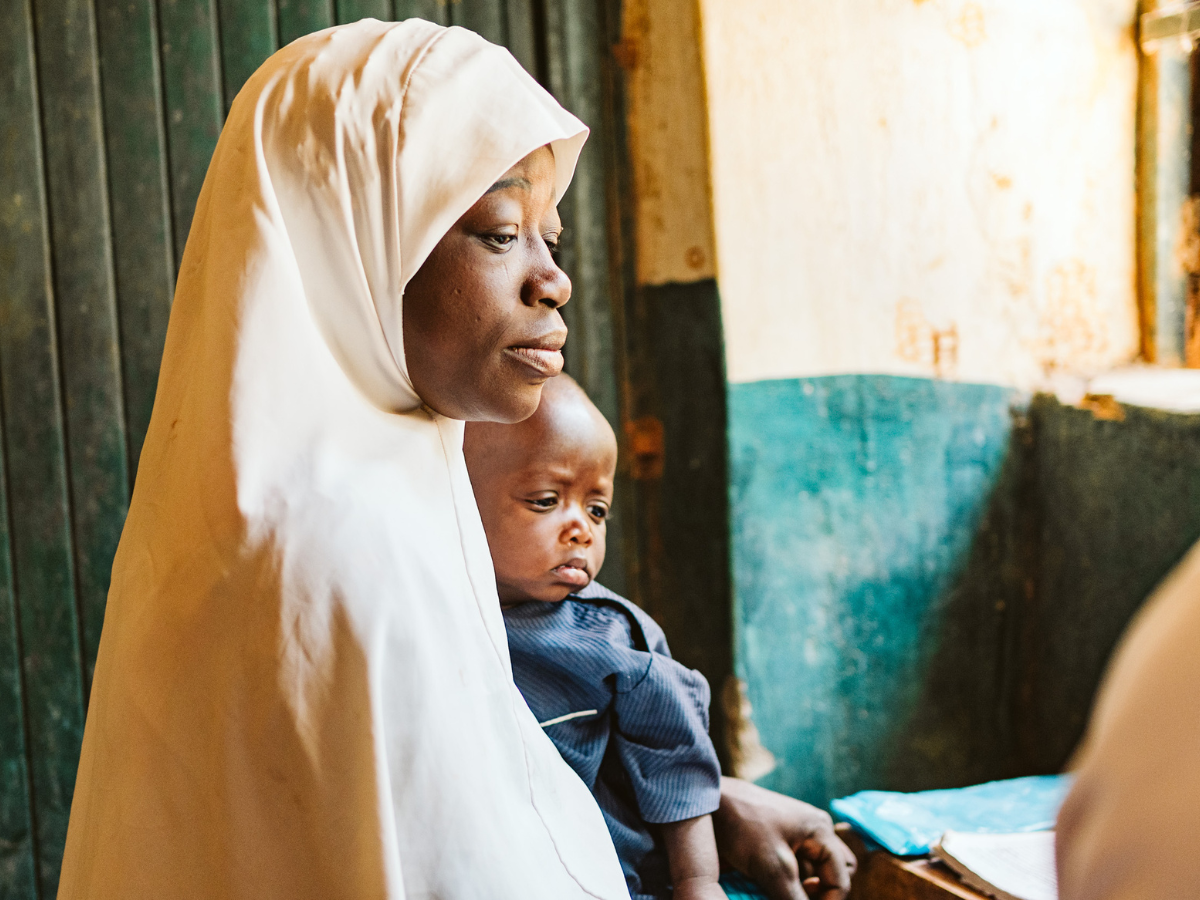
Shortly after the question and answer session with the elders, the men went home, and soon after, women started showing up with eligible infants to receive their vaccinations.
Village heads like the Dagaci of Baburi, Alhaji Garba Muhammad Sani, continue to use their authority to counter misinformation and reinforce health priorities. “If there’s resistance,” he said, “we call meetings with clerics. Sometimes a more forceful approach helps, but dialogue works best. When we speak, people listen because they know we care for their well-being.”
That combination of moral authority and community proximity is what makes the partnership between New Incentives and traditional leaders so effective. Across its states of operation, the program has enrolled over 5 million infants and disbursed billions of naira in caregiver incentives, while working alongside tens of thousands of leaders and health workers to expand immunization access. Every awareness session, every radio broadcast, and every field visit strengthens the bridge between communities and care.
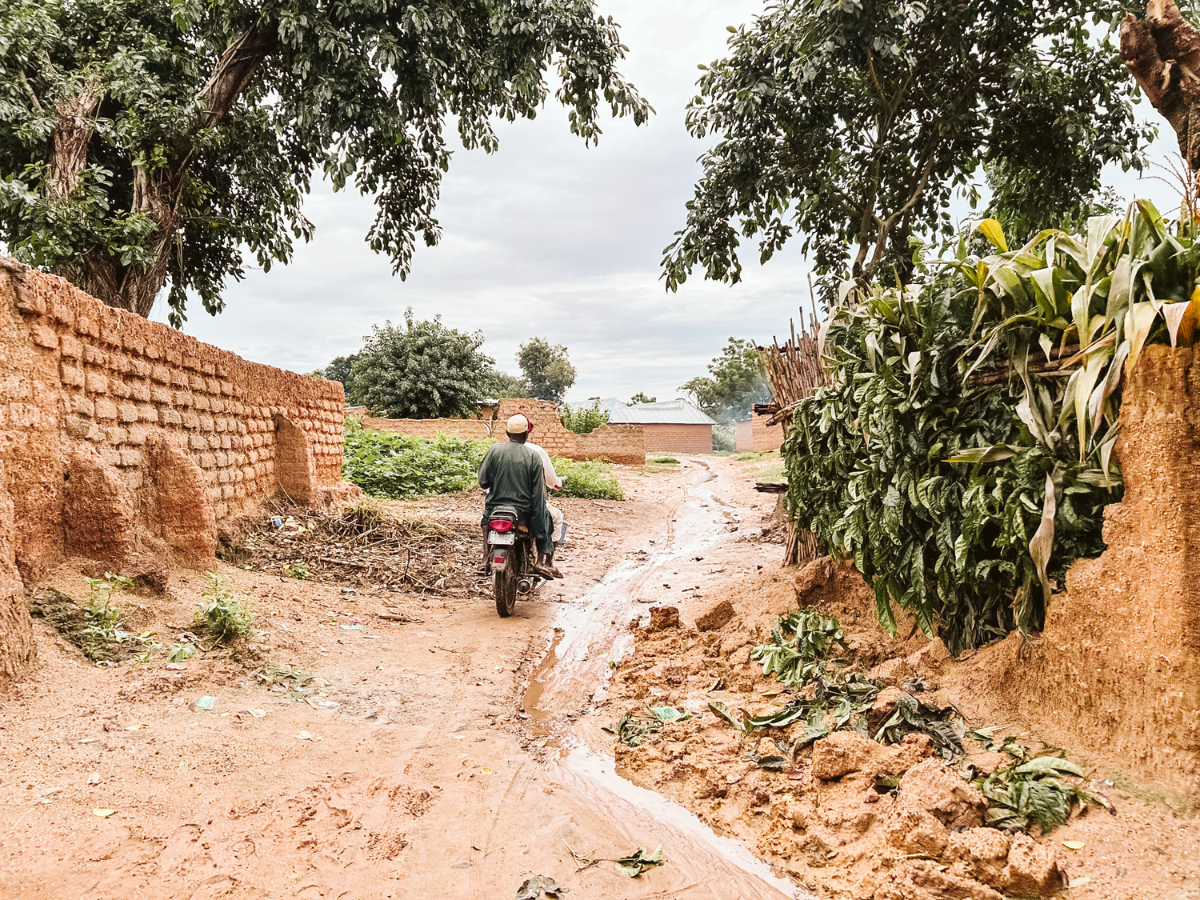
As they rode back to Baburi, the ward head still held the register close to his chest.
“It takes patience,” he said quietly, “but we’ll keep going, one community at a time, until every child is protected.”
Get the latest blogs and program updates sent to your inbox. We send emails sparingly.


Follow us on social media to stay up to date on our rapid growth.

%20(1).png)
%20(1).png)

.png)