.svg)
.svg)
Home - Blog
Home - Blog
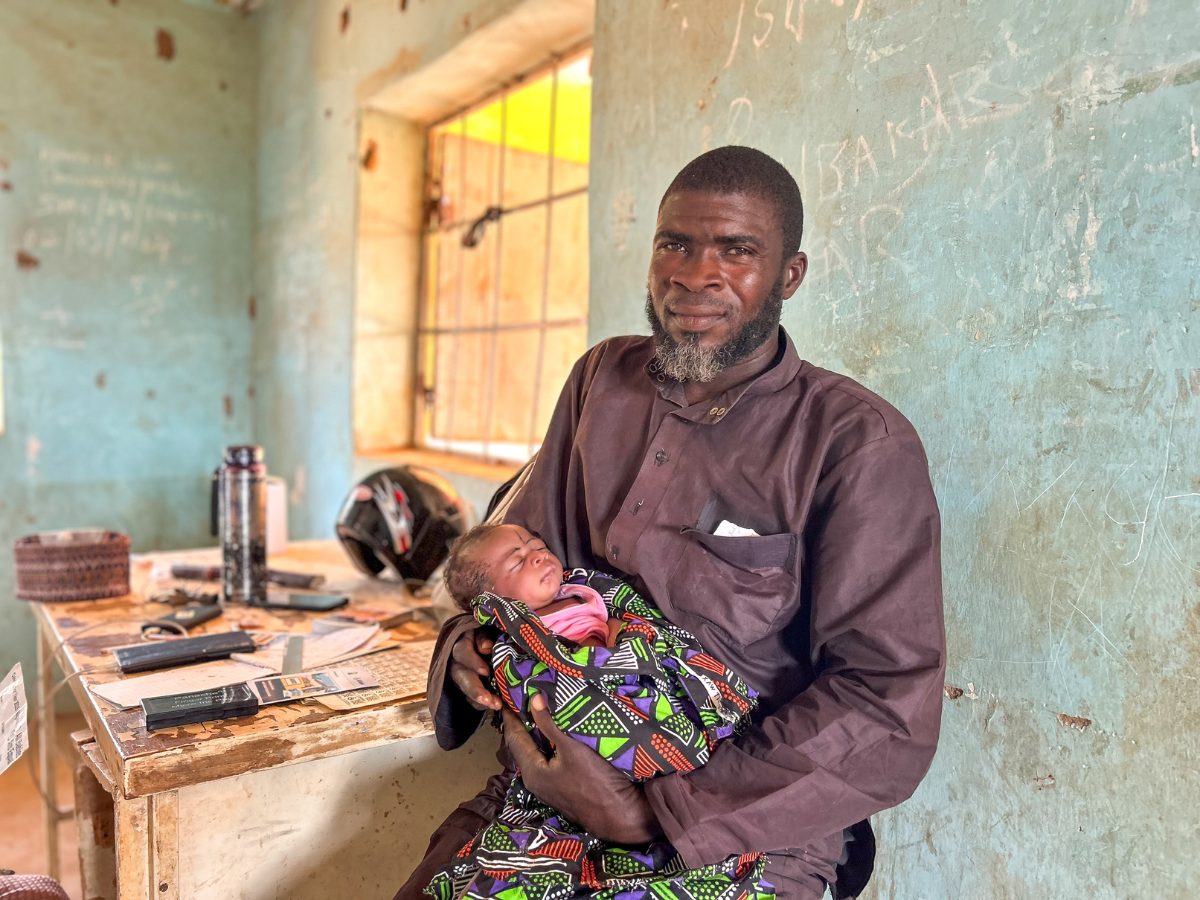
Azzika Umar rose after dawn, the courtyard still cold and quiet, his newborn daughter breathing softly against his chest. His wife, Aminatu, was still recovering from childbirth, so the 45-year-old father of eight moved through the morning with unhurried responsibility. He swept the compound, warmed her breakfast, and sent the older children to school. At 8:15, he stepped onto the sandy path that cuts through Runjin Kaka, heading toward the community health clinic with the baby tied to his chest. Fathers rarely make this walk alone, but Azzika was resolved—his children’s vaccinations were his duty.
His shift in perspective began just months earlier. One afternoon, returning from the farm, he met a New Incentives outreach team gathered in front of the community leader’s house. He hesitated, then approached and heard a routine immunization officer explaining each vaccine, the illnesses they prevent, and the mild reactions some babies experience. As Azzika listened, memories resurfaced: measles spreading through his household years earlier, the long nights of tending to sick children, the medical costs that stretched thin an already-modest income.
That evening, Azzika told Aminatu everything he had heard, including myths the officer had calmly dispelled. Azzika and Aminatu decided to vaccinate their seventh child. He says that their child has fallen ill less often than the older siblings had.
“No matter how many children I have,” he says, “I will bring each one for vaccination.”
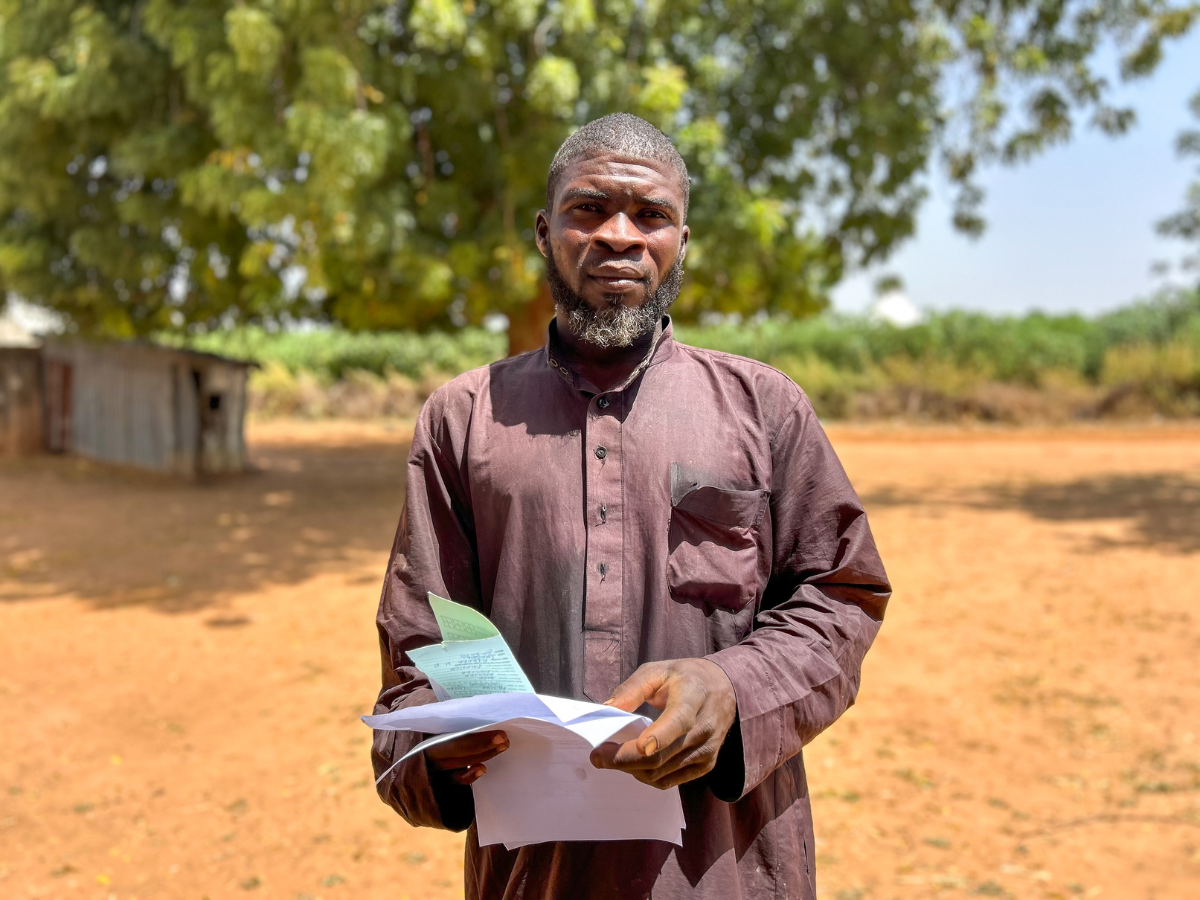
When he arrived at the clinic that morning, the women waiting in line glanced up in surprise. Some smiled, others teased him warmly. Fathers seldom come alone with infants. They greeted him and gave him space at the front of the queue. Inside the one-room clinic, he listened again as the routine immunization officer shared information about vaccines and how to soothe a mild fever, in case it occurred. A New Incentives field officer followed with details about the program’s cash incentives. The newborn received her BCG dose. Before heading home, Azzika collected the ₦1,000 cash incentive, and when he arrived home, he handed everything over to Aminatu, recounting each step as she rested in bed.
Across northern Nigeria, stories like Azzika’s are still rare. Mothers remain the backbone of routine immunization, yet fathers influence and often decide whether a child receives a vaccine—and whether a caregiver is permitted to travel to a clinic, whether it’s miles away or close by. In a recent New Incentives survey, 12% of caregivers who missed a vaccination said it was because their husband or a family member didn’t allow vaccination. In some communities, the percentage is higher.
This pattern is also reflected in broader research: a 2024 joint report on immunization in Nigeria (by the National Primary Health Care Development Agency and UNICEF) found that health decision-making often requires women to seek permission from their husbands to vaccinate their children. It also indicated that financial support from husbands, e.g., for transportation and small fees, plays a key role in determining women's ability to access immunization for their children. This is likely one reason why New Incentives’ cash incentive program is so effective; it addresses financial barriers and may reduce decision-making friction in the household. But New Incentives also carries out community engagement and outreach activities, including awareness sessions focused specifically on men.
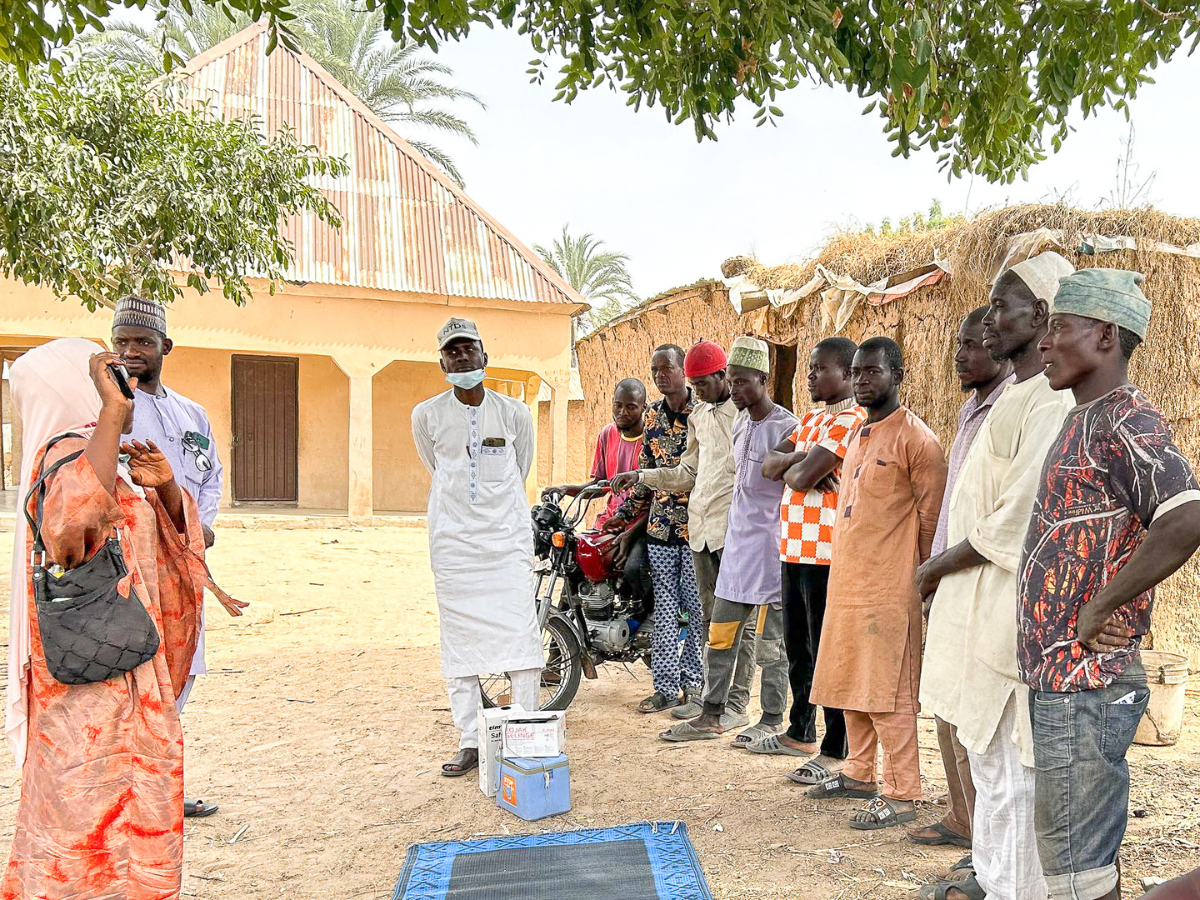
In a small settlement in the Takai area of Kano State, staff from New Incentives and the nearby clinic recently held one of these conversations beneath a neem tree. For a few weeks, the field officer had observed that turnout at the clinic had declined. At the session, one resident, Inusa Idris, explained why: households felt overlooked, and others felt unfairly treated by the poor roll-out of an unrelated public health initiative at the clinic. This conversation helped the staff understand how the frustration with the clinic had spilled over to other public health services, including vaccination uptake.
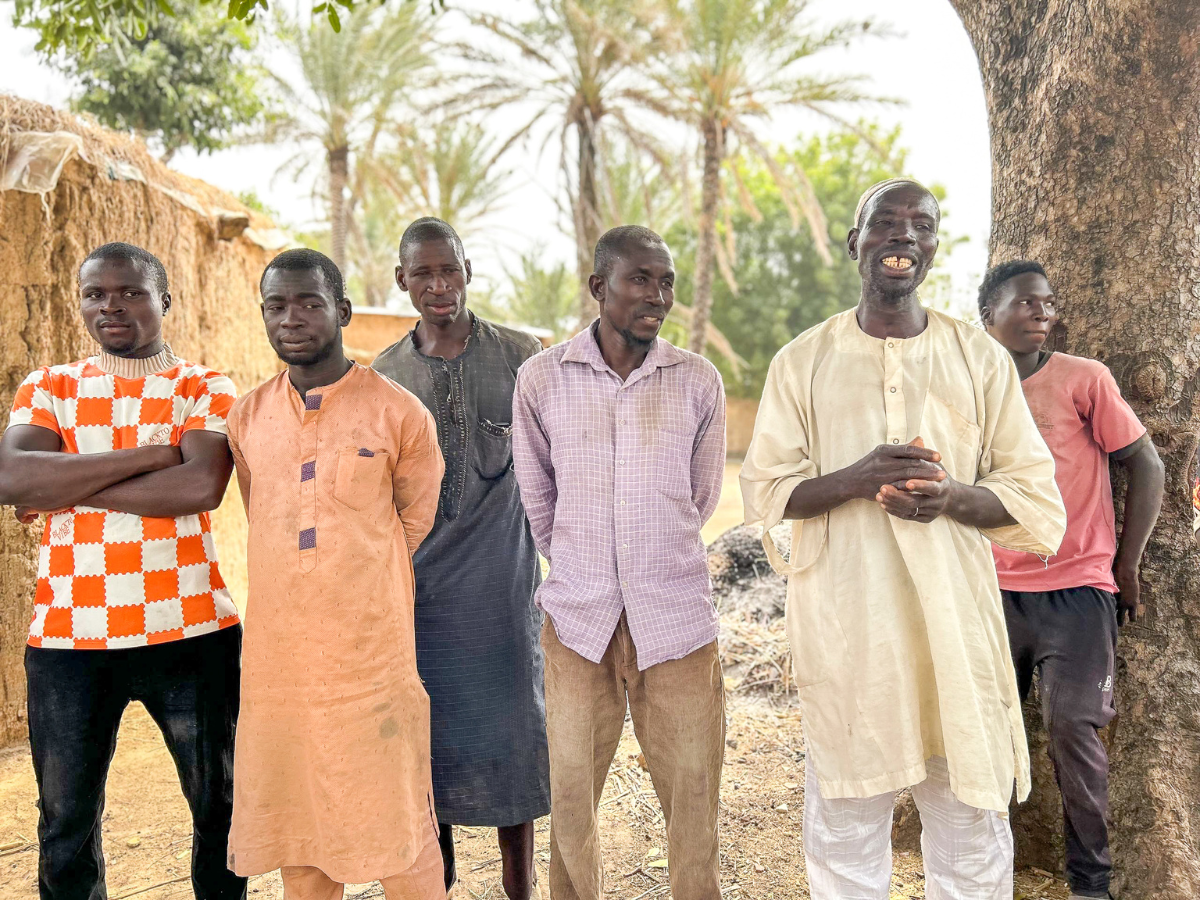
The clinic staff explained that the local government had already taken corrective action. But the discussion also revealed another issue: a few fathers admitted they had stopped their wives from bringing their babies to the clinic for vaccinations because infants sometimes cry for hours afterwards.
“I disliked hearing my child cry,” said Shuaibu Adamu, a father of five.
Routine Immunization Provider Garba Shehu responded gently, explaining that mild fever and fussiness after vaccines—especially the Penta dose—are normal, temporary side-effects from the shots. New Incentives Assistant Field Manager Shamsiyya Abubakar also clarified that the All Babies incentive is not a requirement for immunization. After the discussion, Shuaibu returned home and then brought his daughter himself to receive her vaccine.
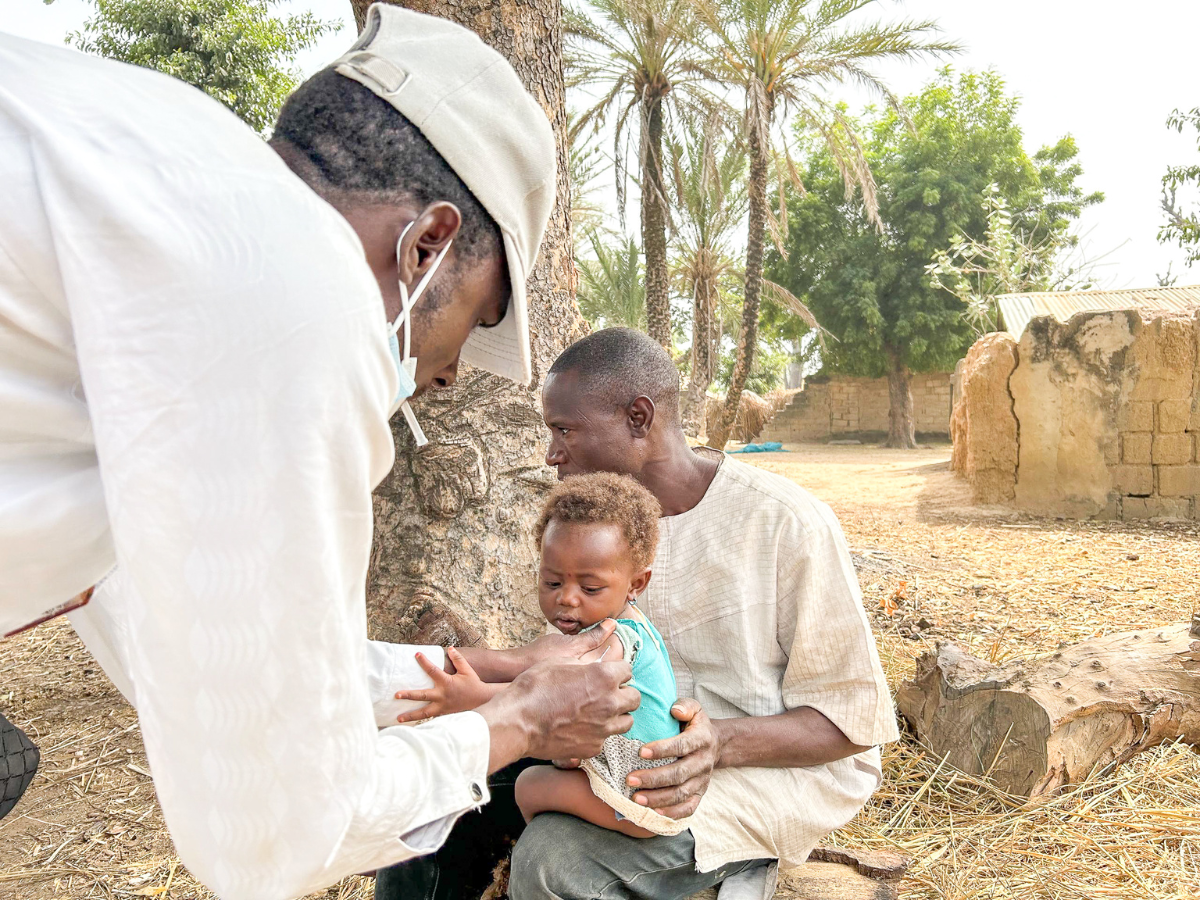
Such moments, small as they appear, help shift community norms. In 2025, New Incentives, alongside clinic staff, participated in more than 10,000 awareness meetings across our states of operation.
As part of their ongoing community education, New Incentives staff often tell caregivers that they also make sure their own children are vaccinated. For many of the men who work as field officers and managers in our program, their resolve matches that of Azzika, and they consider it their responsibility.
In Jigawa State, New Incentives’ Audits and Investigation Manager Tijjani Usman became a father in 2024. The following morning, he carried his newborn daughter, Fatima, to a clinic where All Babies operates.
“My wife and I were very happy with the [cash] disbursement,” he recalled. They used it for transport, paracetamol, and a few baby items.
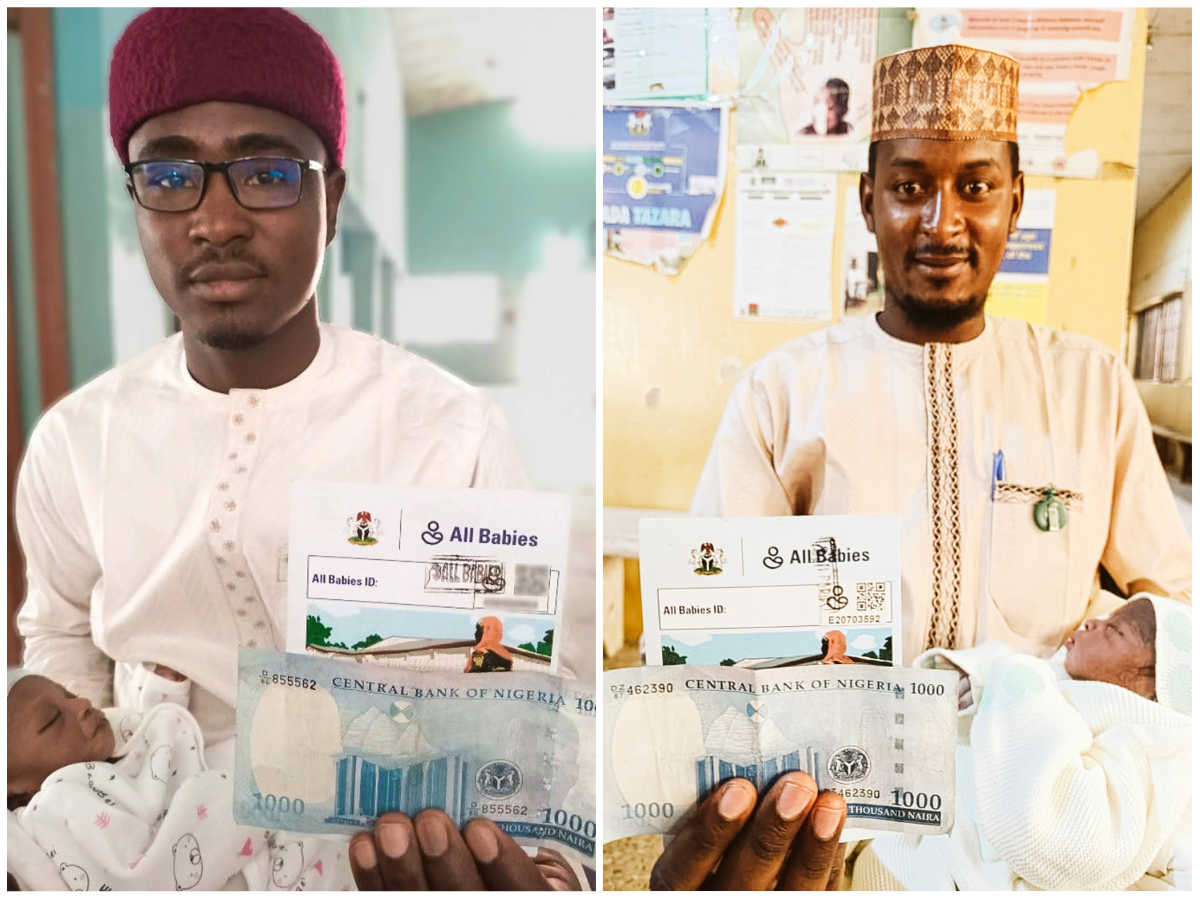
In Kano, Field Officer Samir Ibrahim, who works on our Rapid Assessments team, has spent years reminding families that vaccines prevent illnesses that once left children weak and parents helpless. When his second son was born in December 2024, he followed the same guidance he’s given others. He carried the newborn to the clinic the next morning, waited with other caregivers, and watched the health workers follow the steps he often explains during outreach. The experience, he said, “strengthened my belief in early protection.”
The stories of fathers like Azzika, Shuaibu, Tijjani, and Samir capture some of the ways fathers are engaging in routine childhood vaccination and setting an example for others. For them, vaccination is not only women’s work but family work. Their presence sends a message that resonates far beyond a single appointment. The invitation is open. Every father has a part to play.
Get the latest blogs and program updates sent to your inbox. We send emails sparingly.


Follow us on social media to stay up to date on our rapid growth.

.png)

.png)