.svg)
.svg)
Home - Blog
National Partners Validate Routine Immunization Gains during Monitoring Visit to Sokoto State
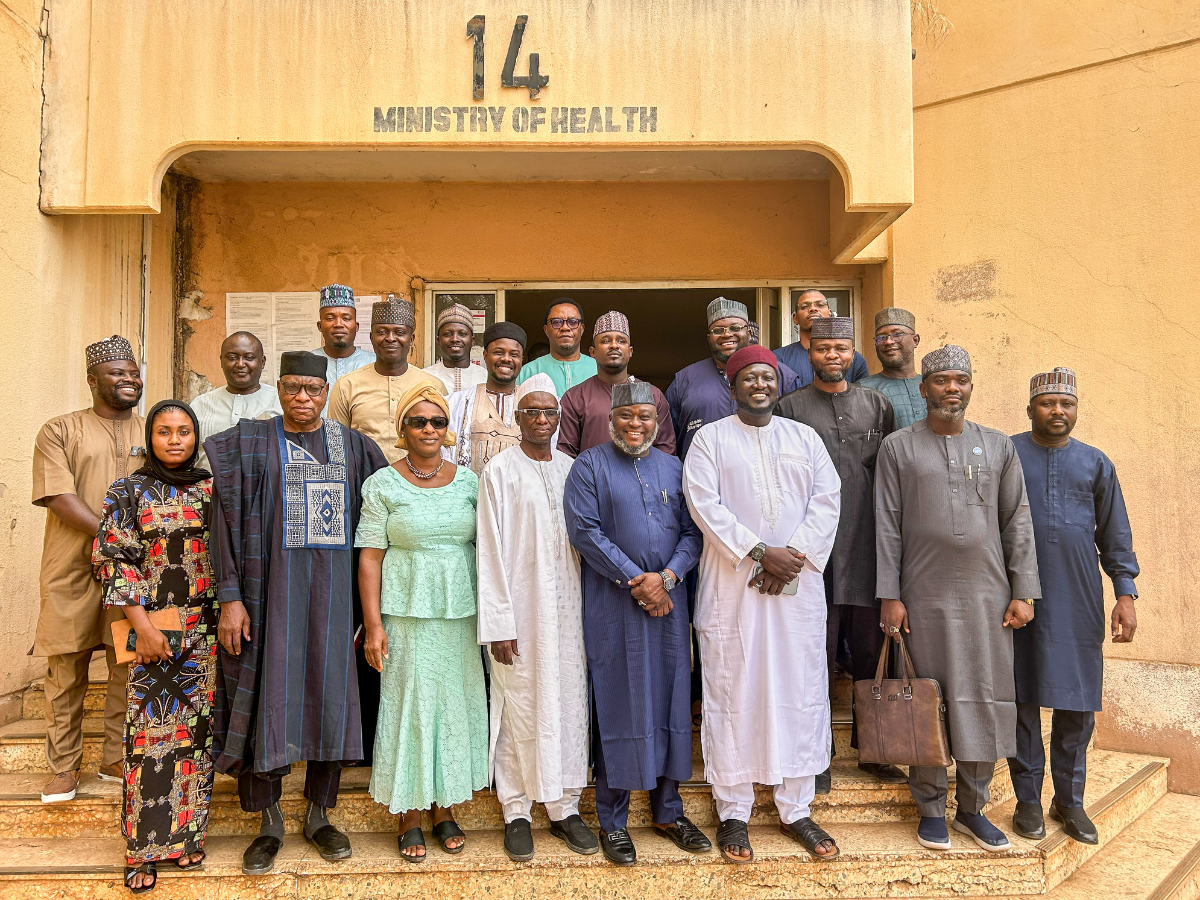
New Incentives – All Babies Are Equal's national partners joined the All Babies program team and Sokoto State health authorities for a five-day monitoring visit across selected health facilities in Sokoto State. Participants sought to review routine immunization service delivery, assess caregiver experience, and agree on priority actions to strengthen performance across the state.
The visit, which combined facility engagements and high-level consultations, focused on verifying implementation processes, identifying service delivery gaps, and strengthening coordination between government structures and supporting partners to improve immunization uptake.
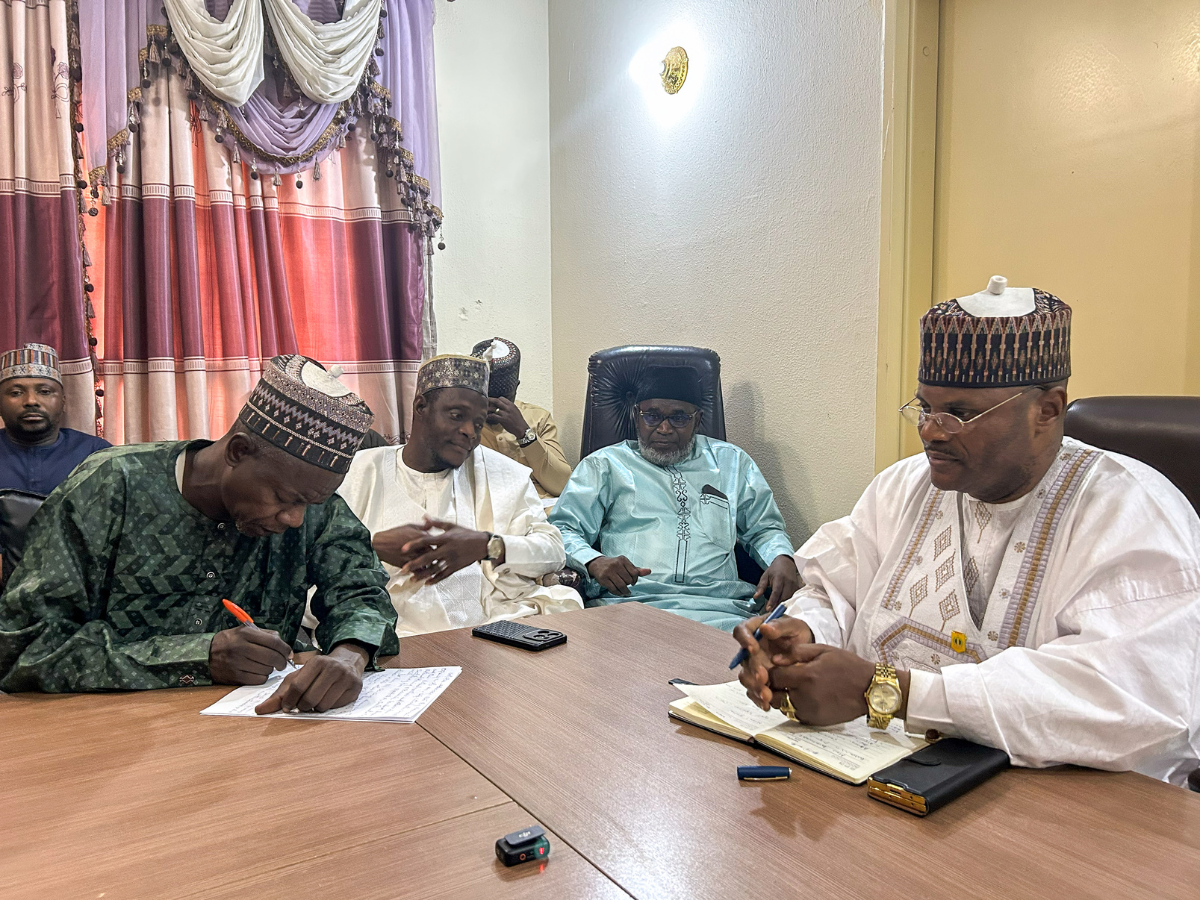
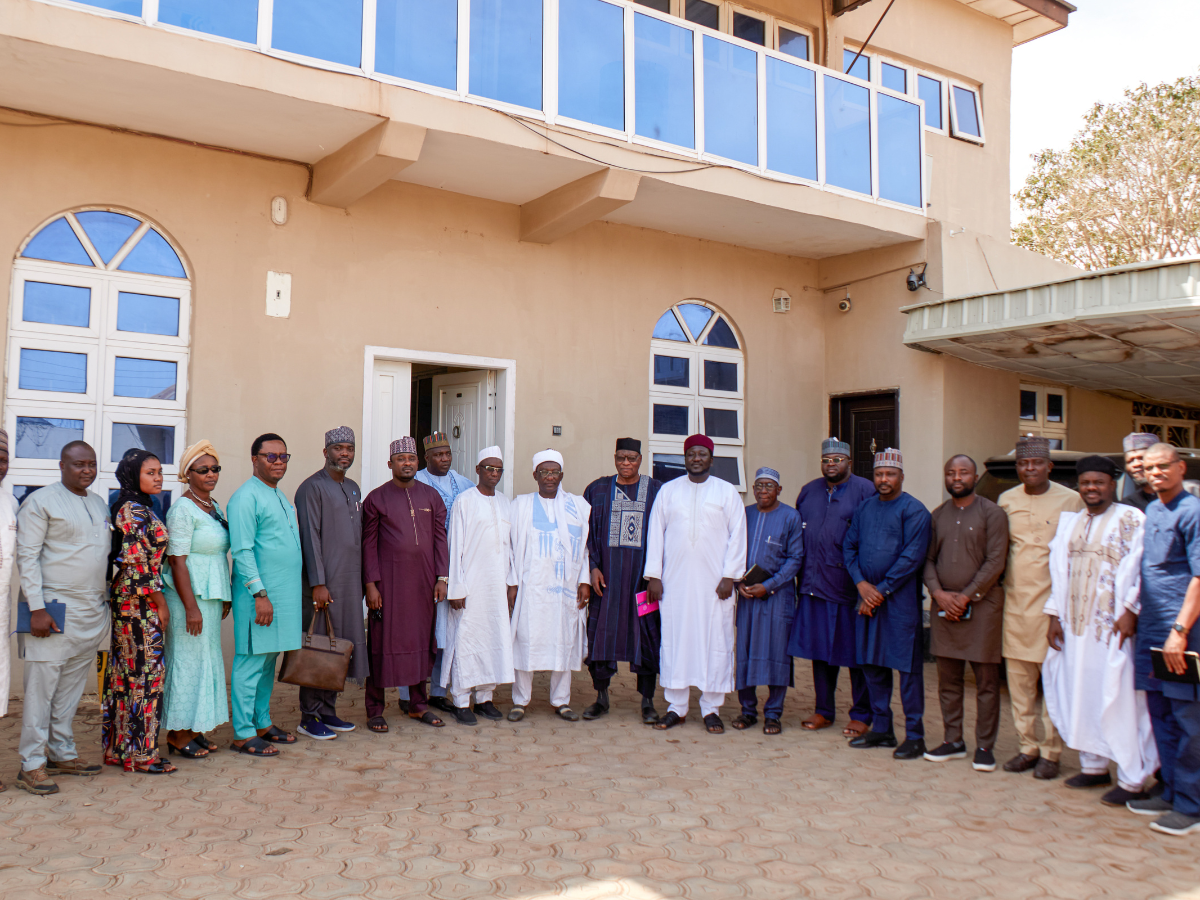
Representatives from the Federal Ministry of Health, the National Primary Health Care Development Agency, the Federal Ministry of Finance, Budget and National Planning, the National Cash Transfer Office (NCTO), the Sultan Foundation for Peace and Development, and the All Babies program participated in the visit from Monday, February 9 to Friday, February 13, 2026. The visit included meetings with key government officials, traditional leadership, facility-level service providers, and caregivers.
Strengthening ties with state officials and traditional leaders
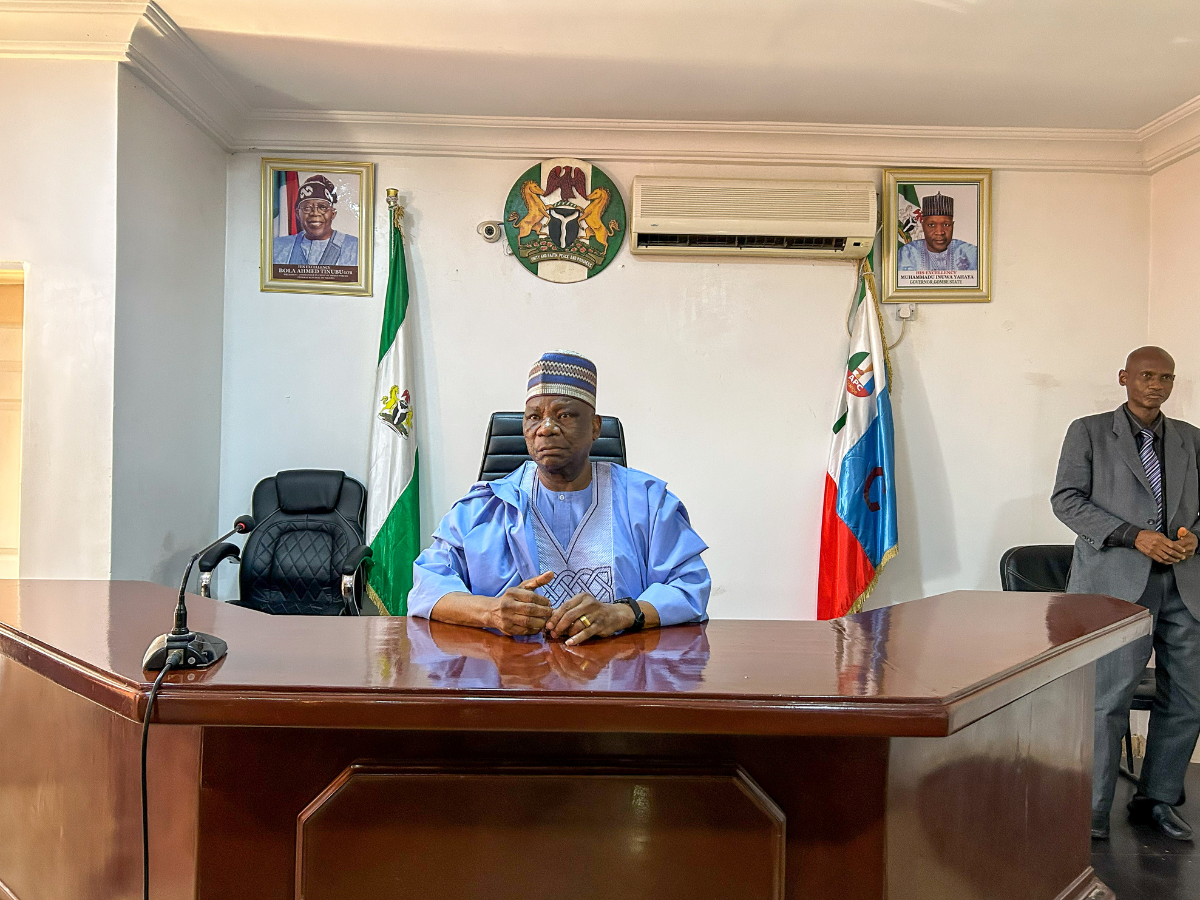
The delegation first engaged Sokoto State officials and traditional leadership to reinforce coordination around immunization service delivery. The team visited the Sokoto State Commissioner for Health, Dr. Faruk Umar Abubakar, who was represented by the Permanent Secretary of the Ministry of Health, Alhaji Ibrahim Haliru Dingyadi, mni; the Acting Executive Secretary of the State Primary Health Care Development Agency, Dr. Bilyaminu Yari Sifawa; and HRH Alhaji Aliyu Attahiru Galadanci, the Galadiman Gari of Sokoto (senior counselor of the Sultanate Council of Sokoto) and Chairman of the Sultanate Council Committee on Health.
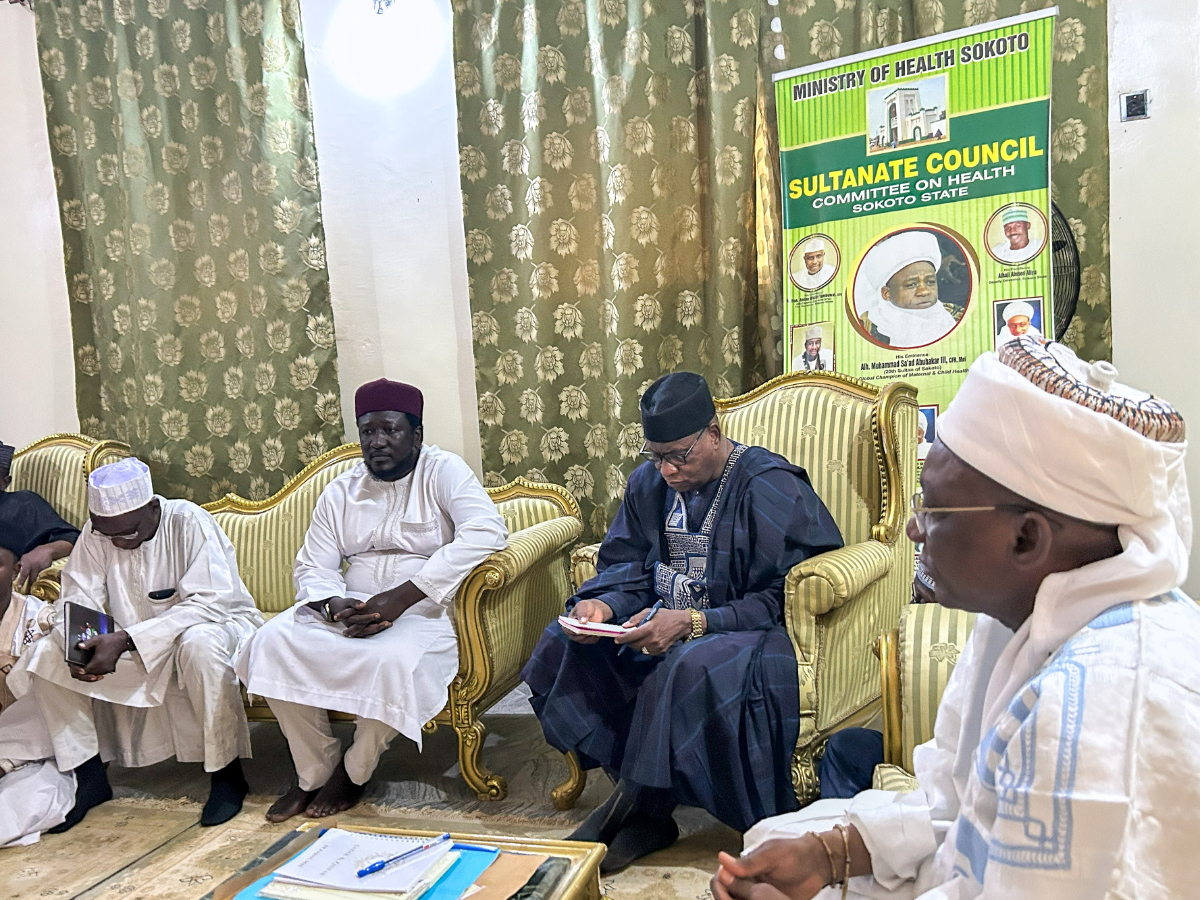
Speaking to newsmen during the visit to the Galadiman Gari of Sokoto at his residence, the State Lead for the RI Working Group, Nasiru Abubakar, said the purpose of the visit was to strengthen collaboration with the Sultanate Council.
"As we know, the All Babies Program is one of the key partners supporting routine immunization services in health facilities across Sokoto State. Given that the Galadiman Gari is one of the most influential traditional leaders in Sokoto, whose guidance is respected by other emirs, district and village heads across towns and rural communities, we visited to request his continued support. Specifically, we asked that he convene local traditional leaders and encourage them to take ownership of routine immunization efforts, promote health facility attendance within their districts, mobilize parents to bring their children for vaccination, and ensure children complete their immunization schedules."
The Galadiman Gari assured the team that this effort is already part of their ongoing responsibilities. He also pledged that whenever meetings with traditional leaders are convened, the team will be invited to address them so that, together, they can develop clear action points and implementation plans to strengthen immunization efforts.
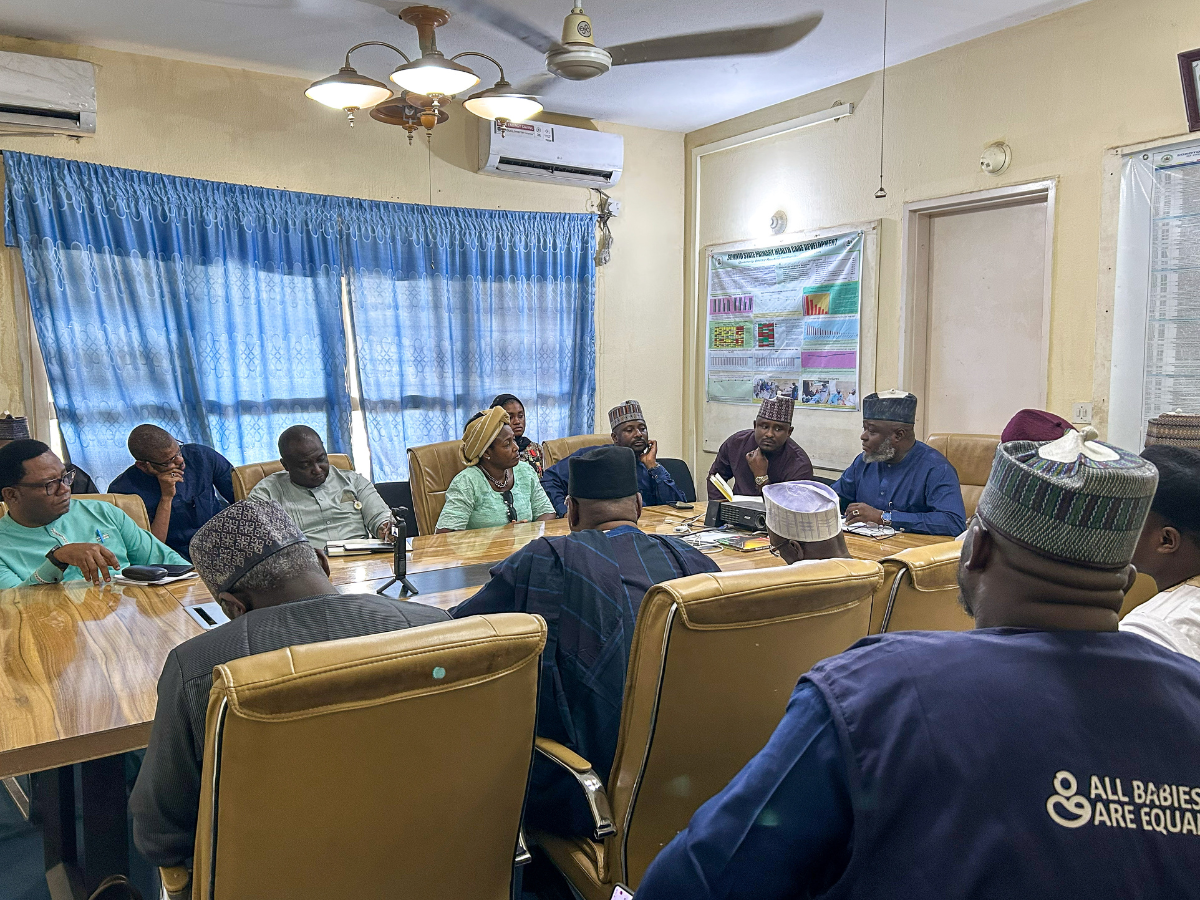
At the State Primary Health Care Development Agency, the Acting Executive Secretary, Dr. Bilyaminu, reported notable improvements in vaccination coverage across the state, linking them to the successful operation of the All Babies program. He referenced a recent facility visit where he observed high caregiver turnout and said he expects the national partners to see similar progress firsthand, “particularly in the program's structured approach to immunization data tracking and service delivery.”
Hospital visits show strong caregiver turnout
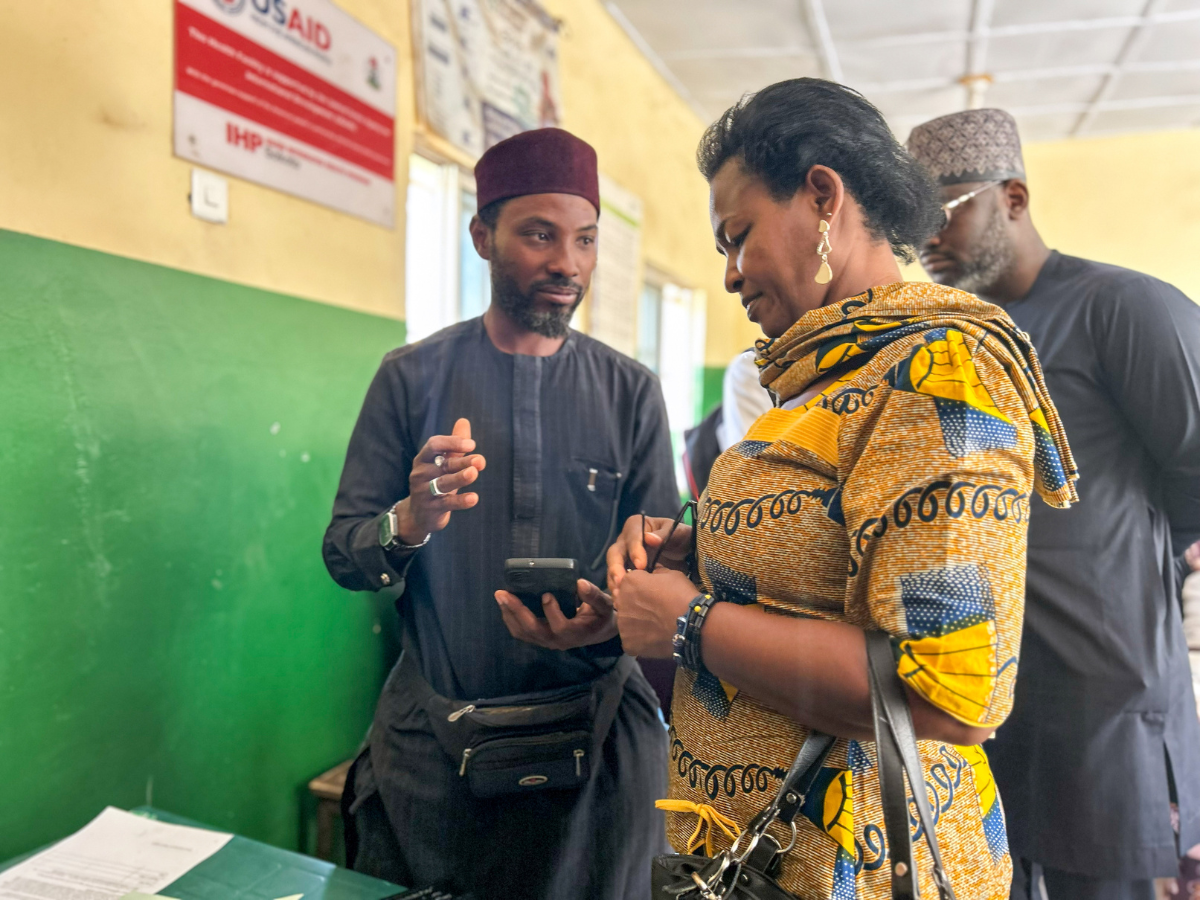
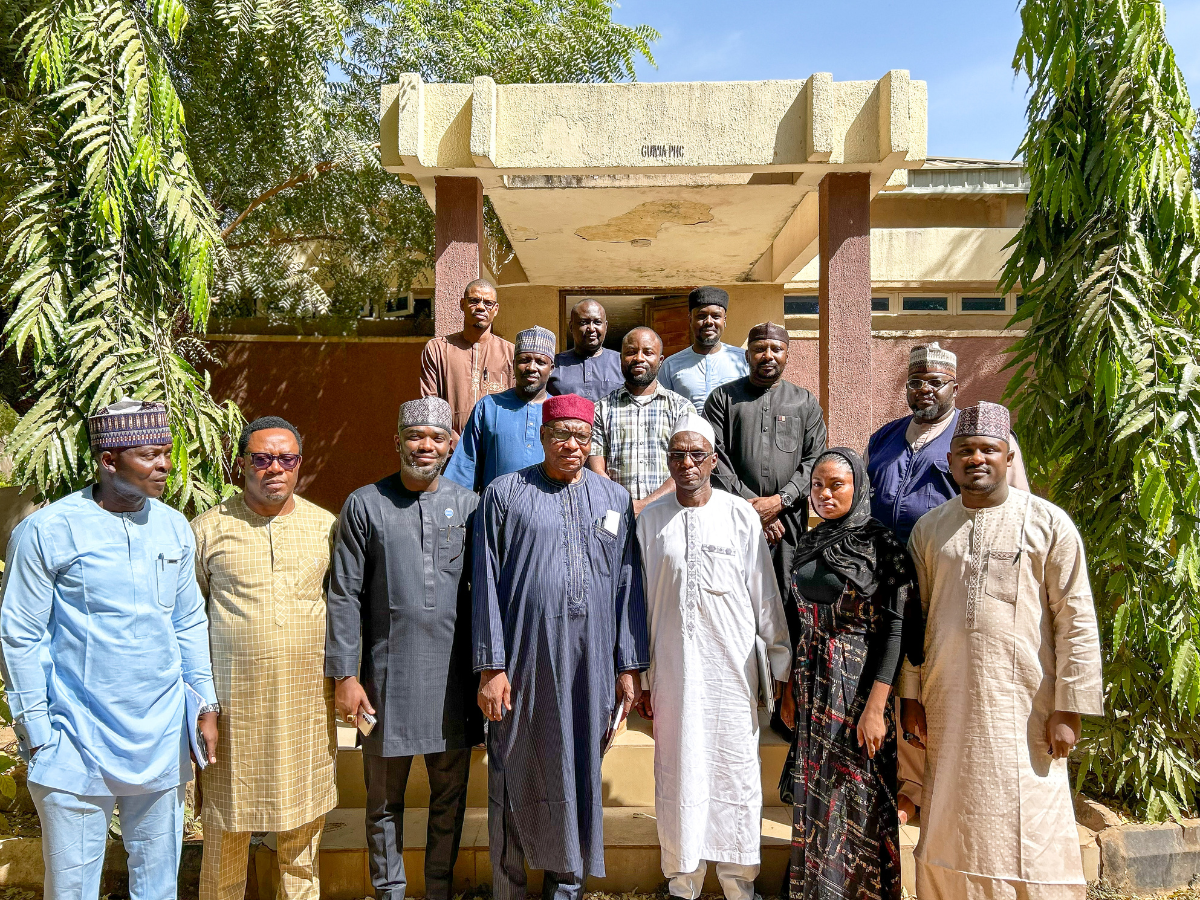
On the third day, the team visited Runjin Sambo PHC in Sokoto North Local Government Area (LGA) and Guiwa PHC in Wamakko LGA. On the fourth day, they visited Farfaru and Arkilla PHCs in Wamakko LGA. National partners observed active immunization sessions with strong caregiver turnout and effective coordination between health workers and All Babies program field staff.
In the four hospitals visited, partners noted improved caregiver retention and completion of vaccination schedules, especially for later-dose vaccines like Measles 2 that are historically harder to complete. Facility data reviews showed marked improvements in second-year vaccination visits compared with periods before program implementation, indicating better follow-up.
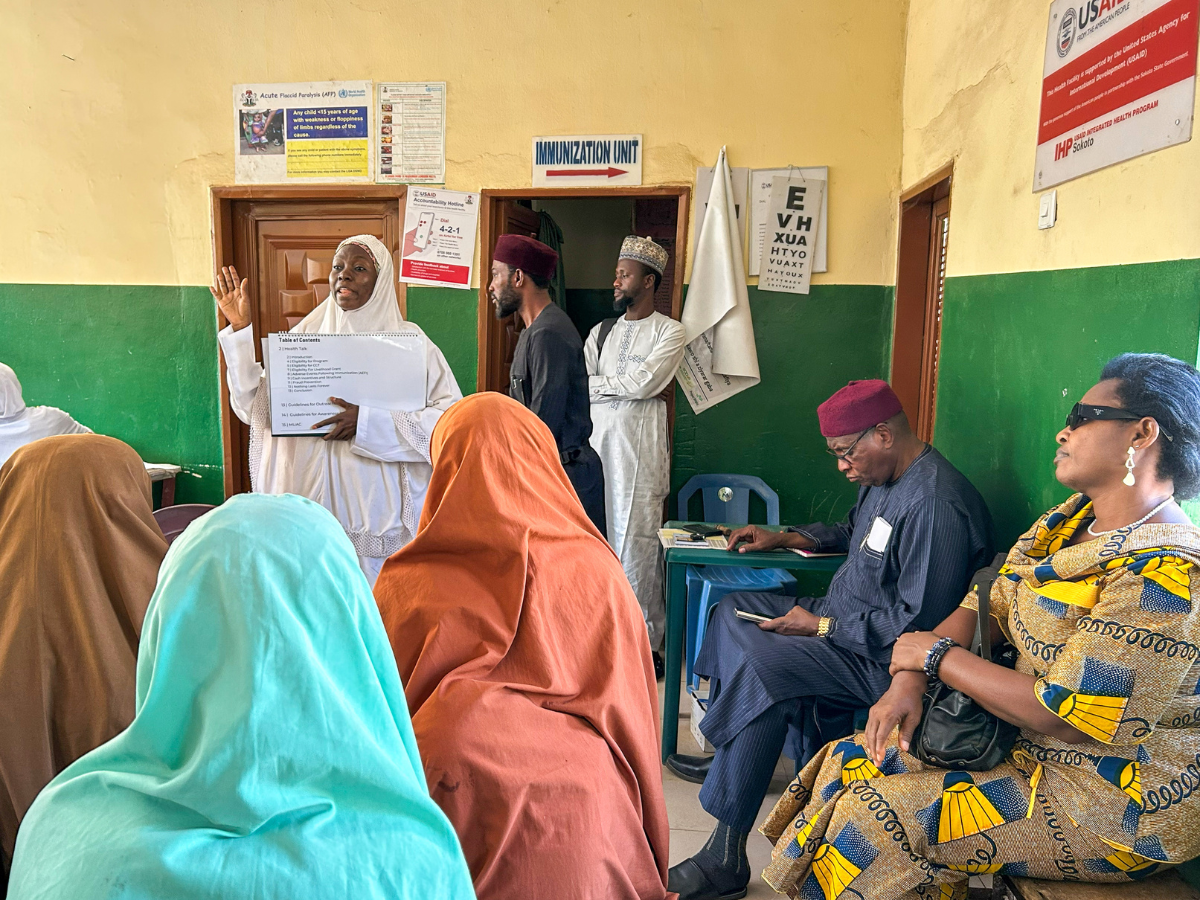
In all hospitals, health workers conducted vaccination sessions alongside routine health talks for caregiver education, helping mothers understand vaccination schedules and manage mild post-vaccination reactions.
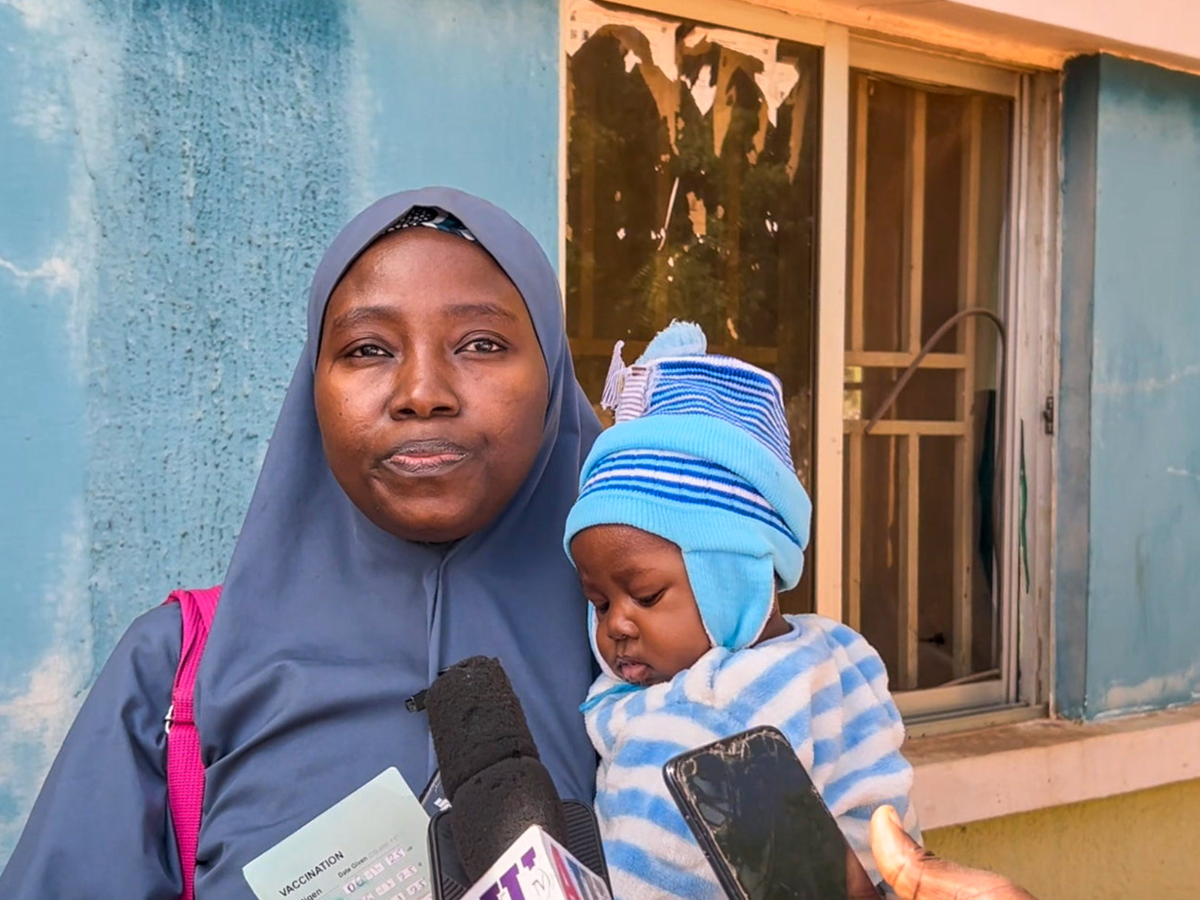
Rashida Musa, a mother of four attending routine immunization at Arkilla PHC, said she vaccinated all her children except her first child, who is now deceased, because she understands that immunization is good for their health.
"Even when a child still gets measles, I've noticed the illness is much milder. And the small incentive we receive helps with transportation. If the baby develops a fever after vaccination, we can also use it to buy pain relief medicine."
She called on other mothers to ensure they take their children for vaccination, "as it protects infants from many diseases."
Some operational areas were identified for improvement, including caregiver flow management and infrastructure needs such as seating. State and facility teams acknowledged these challenges and indicated that corrective actions are already being planned.
Towards sustained health-seeking behavior
During visits, partners also observed cash disbursement processes under the Conditional Cash Transfer component of the All Babies program, which provides a little financial support to caregivers who bring infants to clinics for routine immunization sessions.
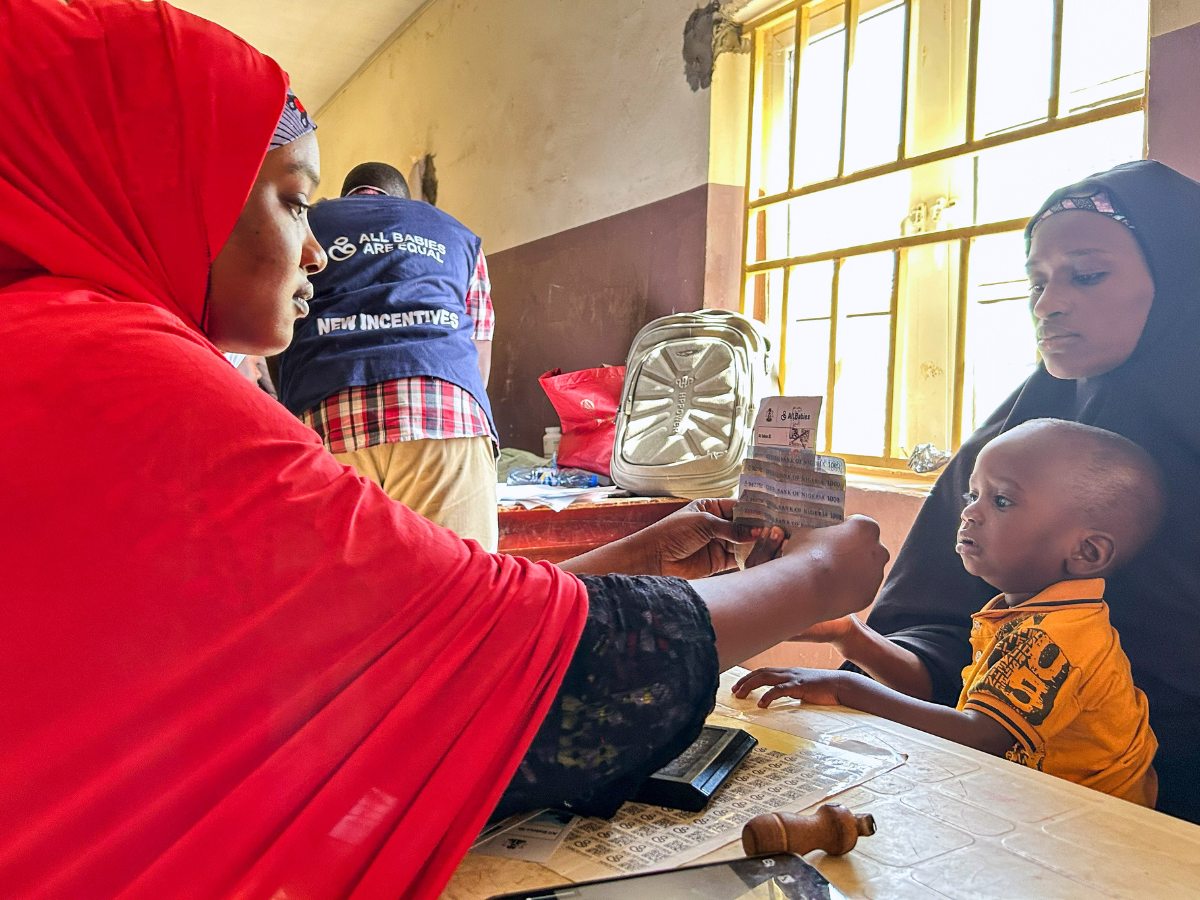
Beyond the incentives, All Babies’ field officers continue to emphasize caregiver education and follow-up, ensuring families understand vaccination benefits even outside program-supported sessions.
Speaking to journalists during one of the visits, All Babies Operations Director Mubarak Bawa reiterated that the program currently operates in 396 clinics across 18 LGAs in Sokoto State. As of Q4 2025, it has enrolled 246,783 infants, supported the uptake of 3.6 million vaccine doses through routine immunization visits, and disbursed ₦1.4 billion to eligible caregivers across these implementation areas.
"The All Babies program is more than just disbursing cash to caregivers," he stressed.
"We also support routine health talks, conduct community sensitization with traditional and religious leaders, including in places of worship, and encourage leaders to mobilize families for vaccination. In every engagement, we remind caregivers that vaccination is one of the most cost-effective health interventions. Vaccines are free, and caregivers should ensure their children are vaccinated. Incentives may not last forever, so families must prioritize their children's health regardless."
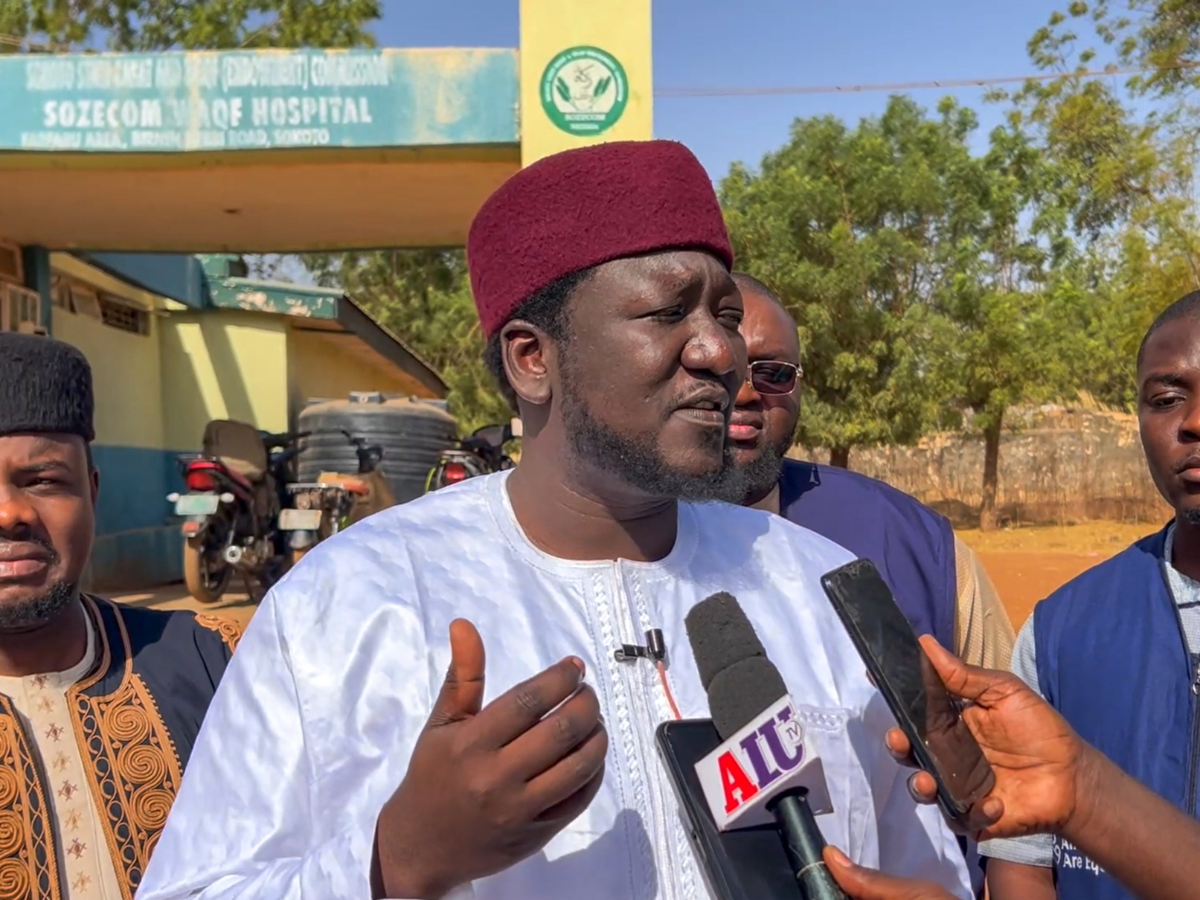
Health workers reported that caregiver awareness and clinic attendance have improved over time, supported by consistent community engagement and cooperation with local leaders.
Commending progress and sharing observations publicly
National partners from the NCTO and Federal Ministry of Health also commended efforts observed at the facility level and reiterated the need to sustain gains through continued government and partner collaboration.
On the fifth day, members of the delegation—including Mr. Nasiru, the State Lead of the RI Working Group; Mr. Emmanuel Eban from the NCTO; and All Babies State Field Manager Bello Ahmed—were hosted on Iconic FM, where they discussed key observations from the visit and encouraged continued uptake of routine immunization services.

During the broadcast, Mr. Emmanuel was asked whether they were satisfied with the reported amount of funds disbursed by All Babies to caregivers in Sokoto State. He responded, "Yes, we are fully satisfied. If you visit the health facilities where this program operates, you will see that each caregiver receives ₦1,000 per visit. Mothers who complete the full immunization schedule also receive an additional ₦5,000 livelihood grant, bringing the total to ₦6,000 [for that last visit].
"When you calculate the number of caregivers receiving this support, the number of participating health facilities, and the duration of the program, it becomes clear that the funds are reaching the intended beneficiaries—caregivers who bring their children for vaccination."
Shared commitment to sustaining progress
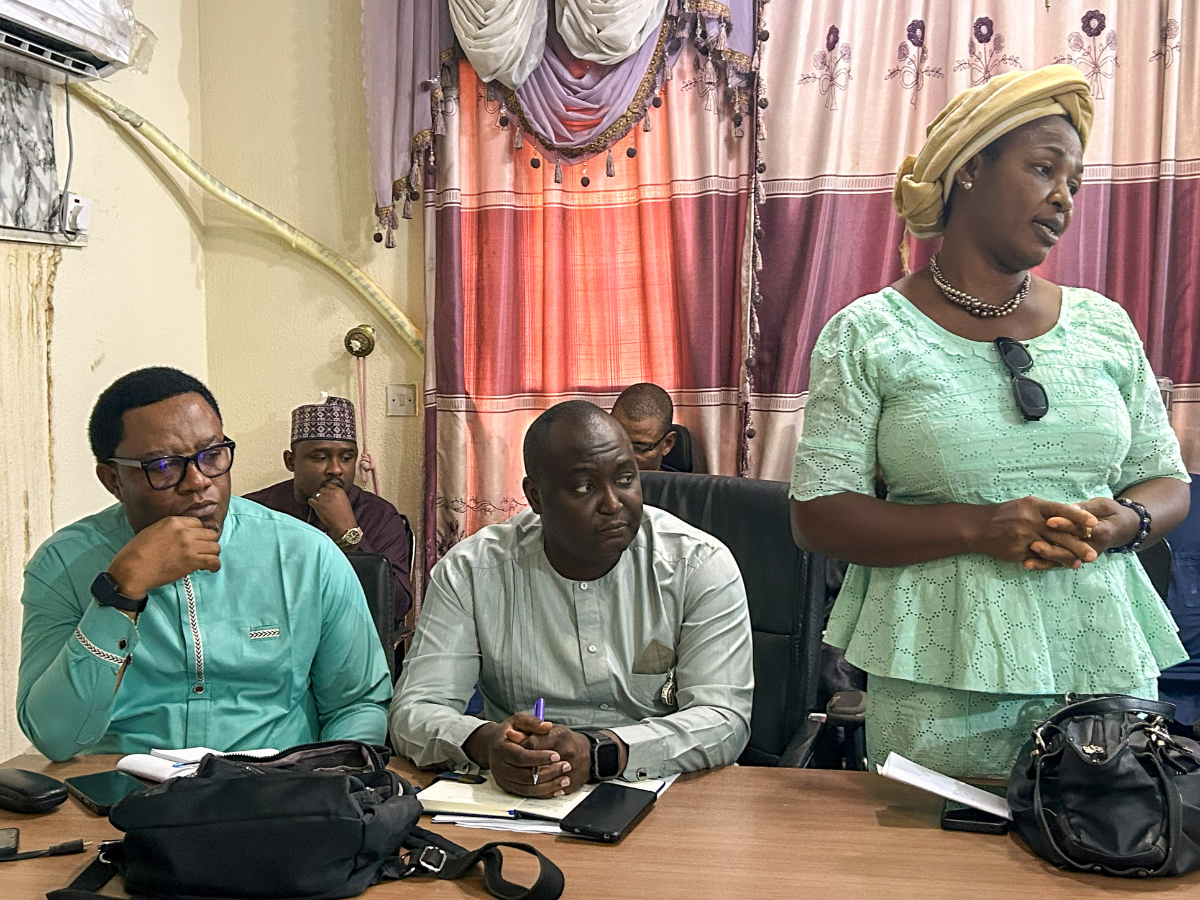
At the conclusion of the visit, partners agreed on priority actions to address operational gaps, strengthen coordination mechanisms, and ensure that vaccine supply continuity meets increasing demand. They expressed appreciation to Sokoto State health authorities, frontline workers, and community stakeholders whose cooperation supports improvements in routine immunization performance.
The monitoring visit reaffirmed a shared commitment among partners and government institutions to protect every child in Sokoto State via timely access to life-saving vaccines.



.png)