.svg)
.svg)
Home - Blog
How the Daura Emirate Mobilizes Communities for Routine Immunization
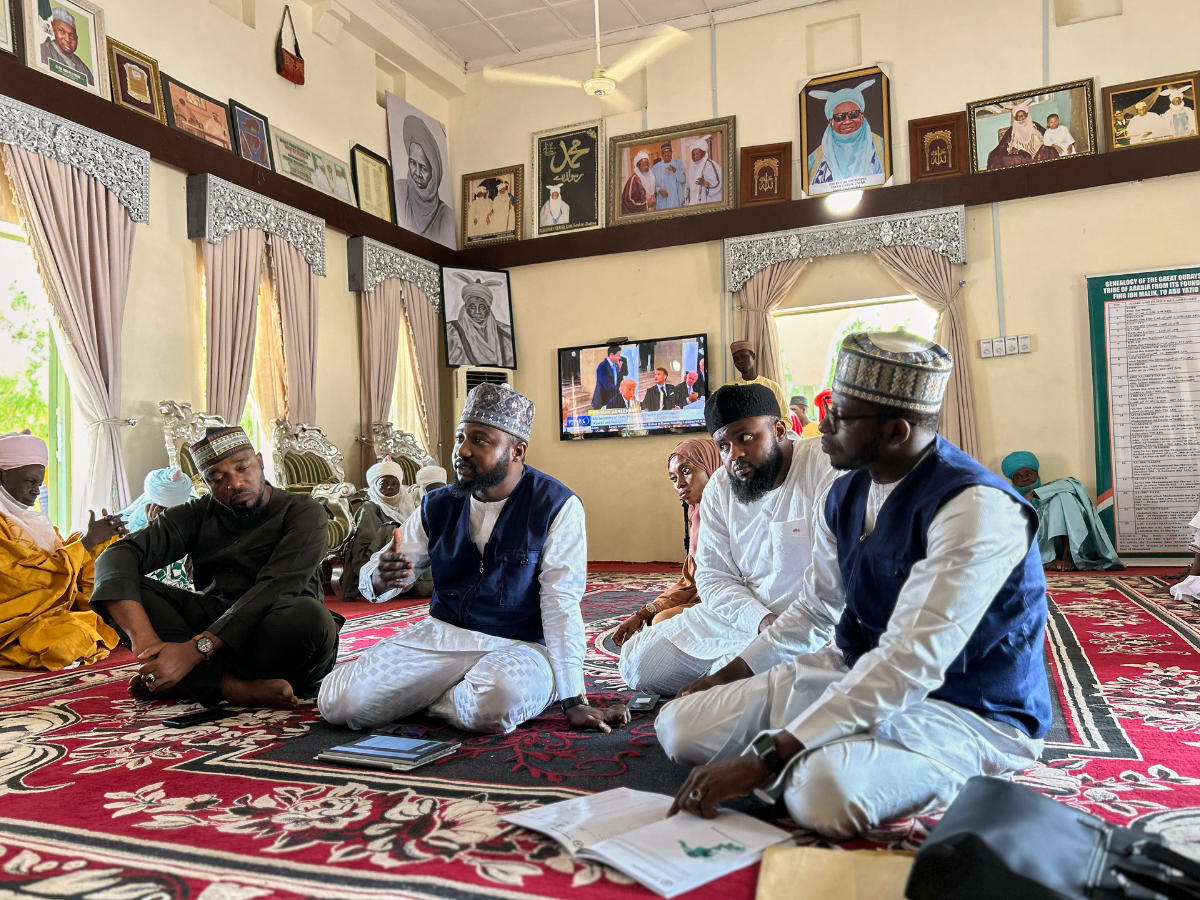
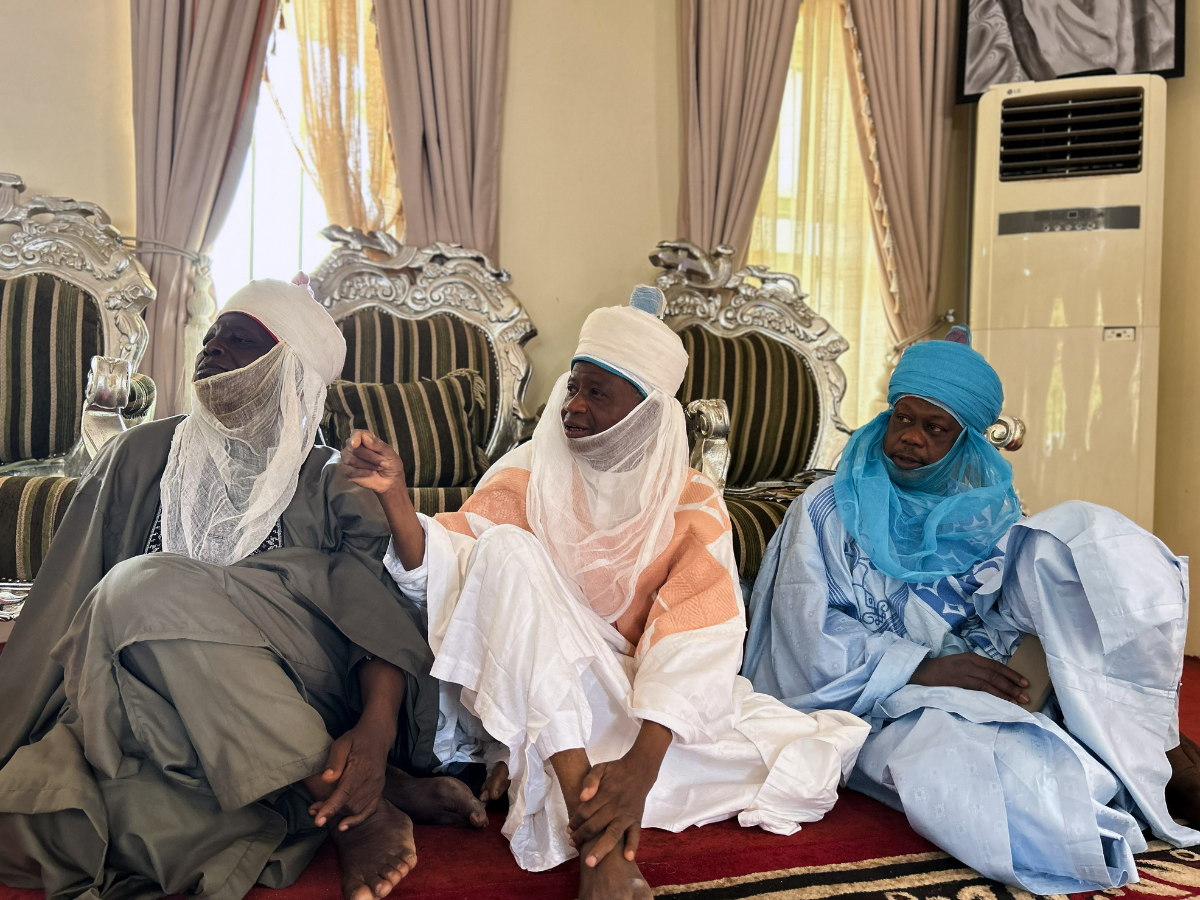
All Babies met with the Daura Emirate Council to review routine immunization performance, discuss vaccine logistics, and strengthen collaboration. During the engagement, Alhaji Muhammadu Lawal Usman (the Kauran Daura), the Emirate Council's lead on health matters, explained how the emirate mobilizes communities for routine immunization through a structured network of district, ward, and community leaders while addressing vaccine hesitancy and improving access to services.
Routine immunization in the Daura Emirate is not left to health workers alone. Across the emirate, traditional leaders play an active role in encouraging caregivers to vaccinate their children, monitoring immunization activities, addressing vaccine hesitancy, and working with government health officials to improve access to services.
This coordinated approach was evident during a recent engagement between All Babies and the Daura Emirate Council in Katsina State. Participants reviewed routine immunization performance across the emirate, discussed vaccine stockouts, and explored ways to strengthen collaboration.
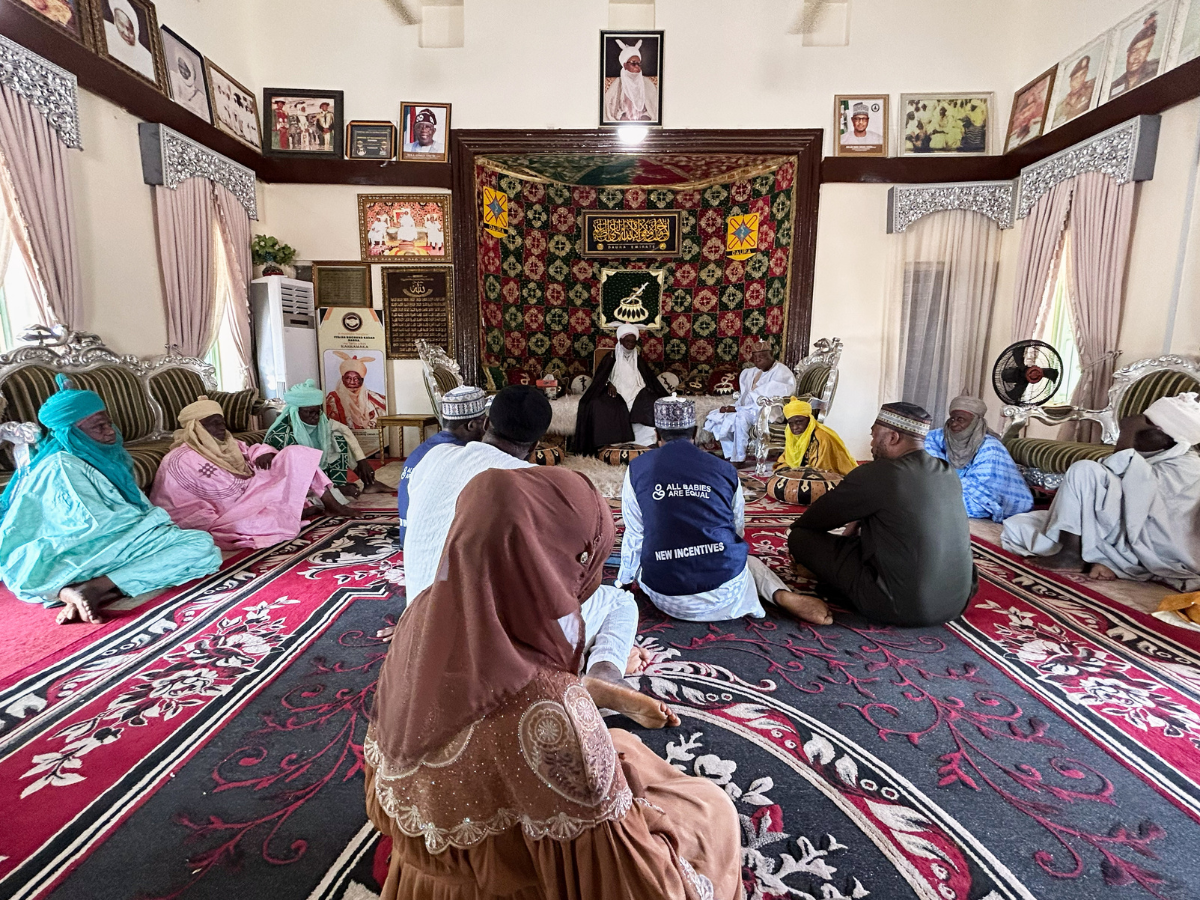
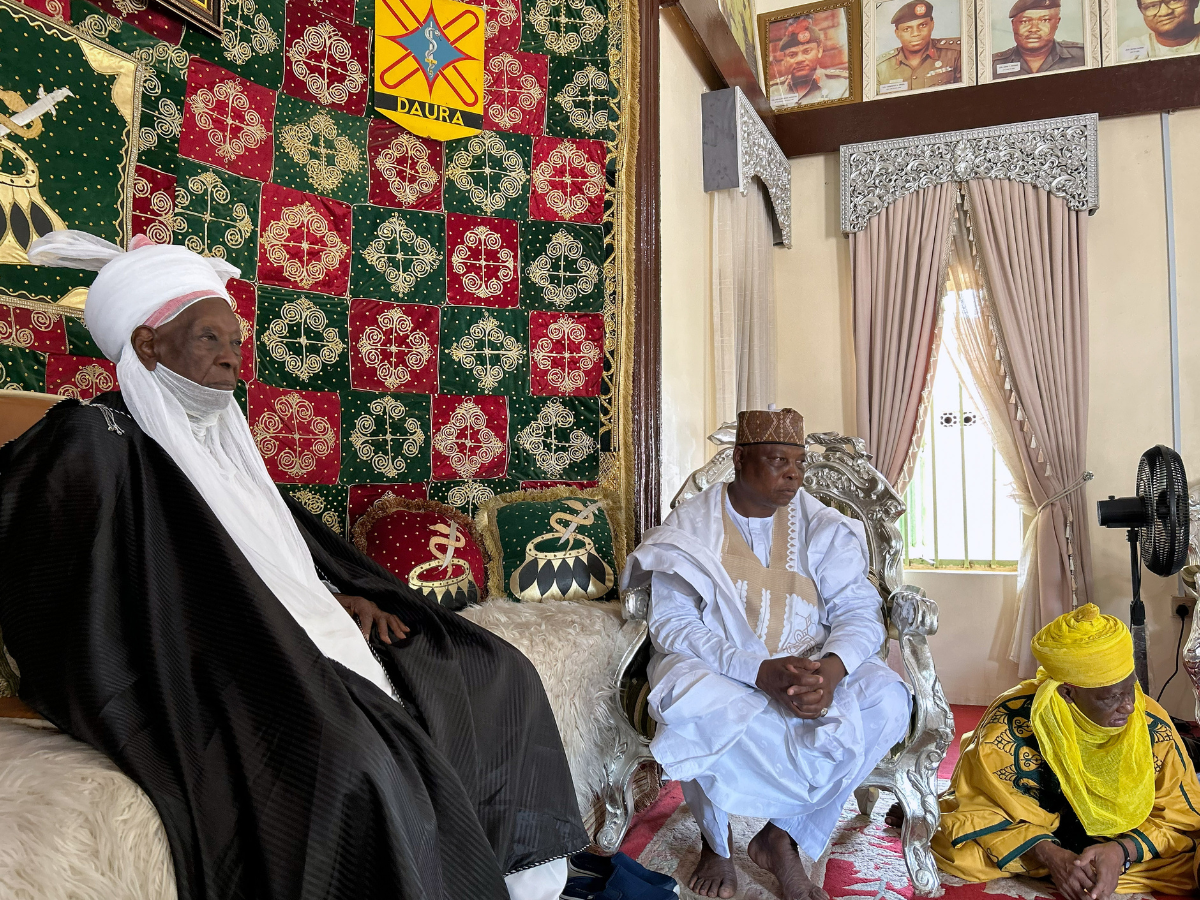
As other official engagements required the attention of His Royal Highness, the Emir of Daura, Alhaji Faruk Umar Faruk, he asked Alhaji Muhammadu Lawal Usman, Kauran Daura, to continue the discussion with the team.
Kauran Daura is well placed to speak on the subject. Before joining the Emirate Council as a kingmaker, he spent 35 years in the public health sector, serving as a Primary Health Care Coordinator and Director of Health in Katsina State. Today, he coordinates health-related activities within the emirate, linking the traditional institution with government health services and coordinating activities with partners like All Babies.
A structured approach to community mobilization
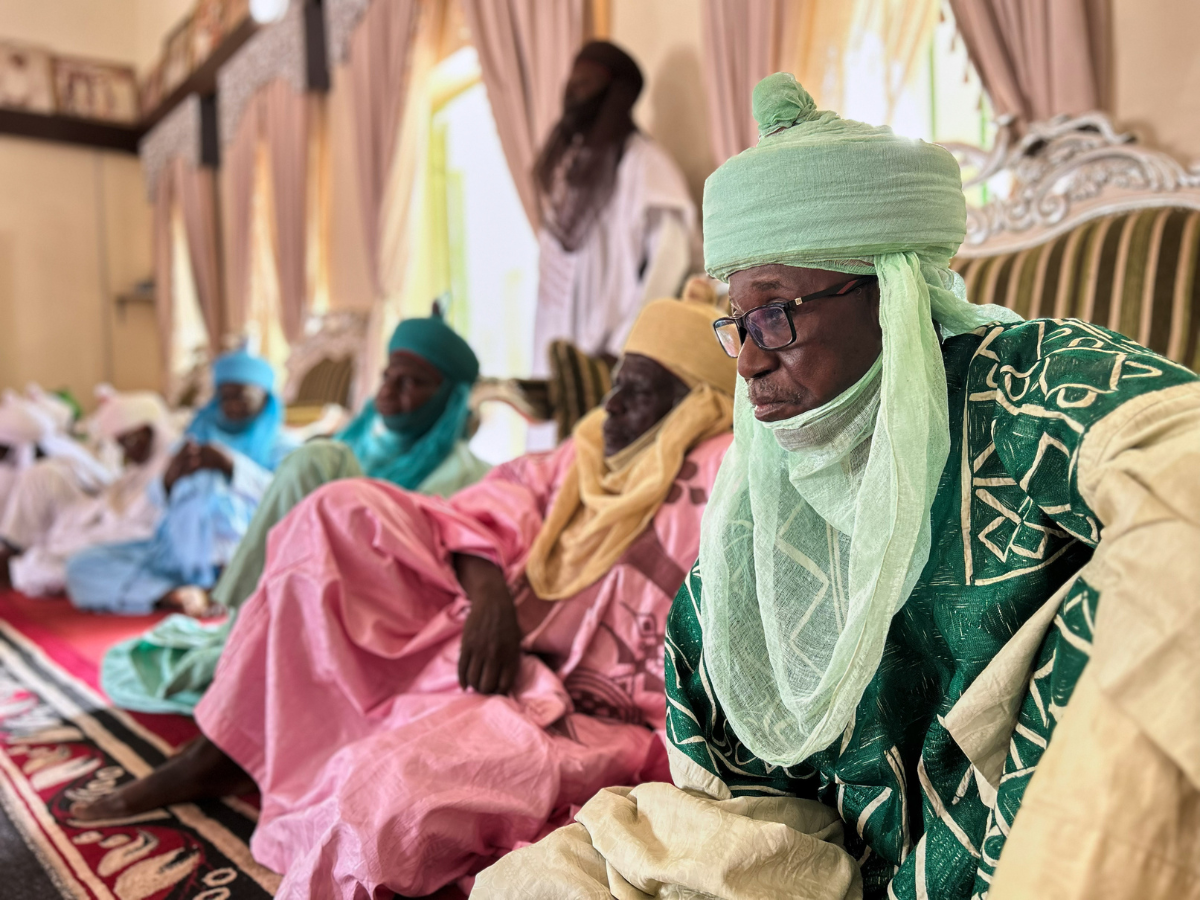
According to the Kauran Daura, the emirate has established a clear chain of communication that begins at the palace and extends to district heads, ward heads, and community leaders.
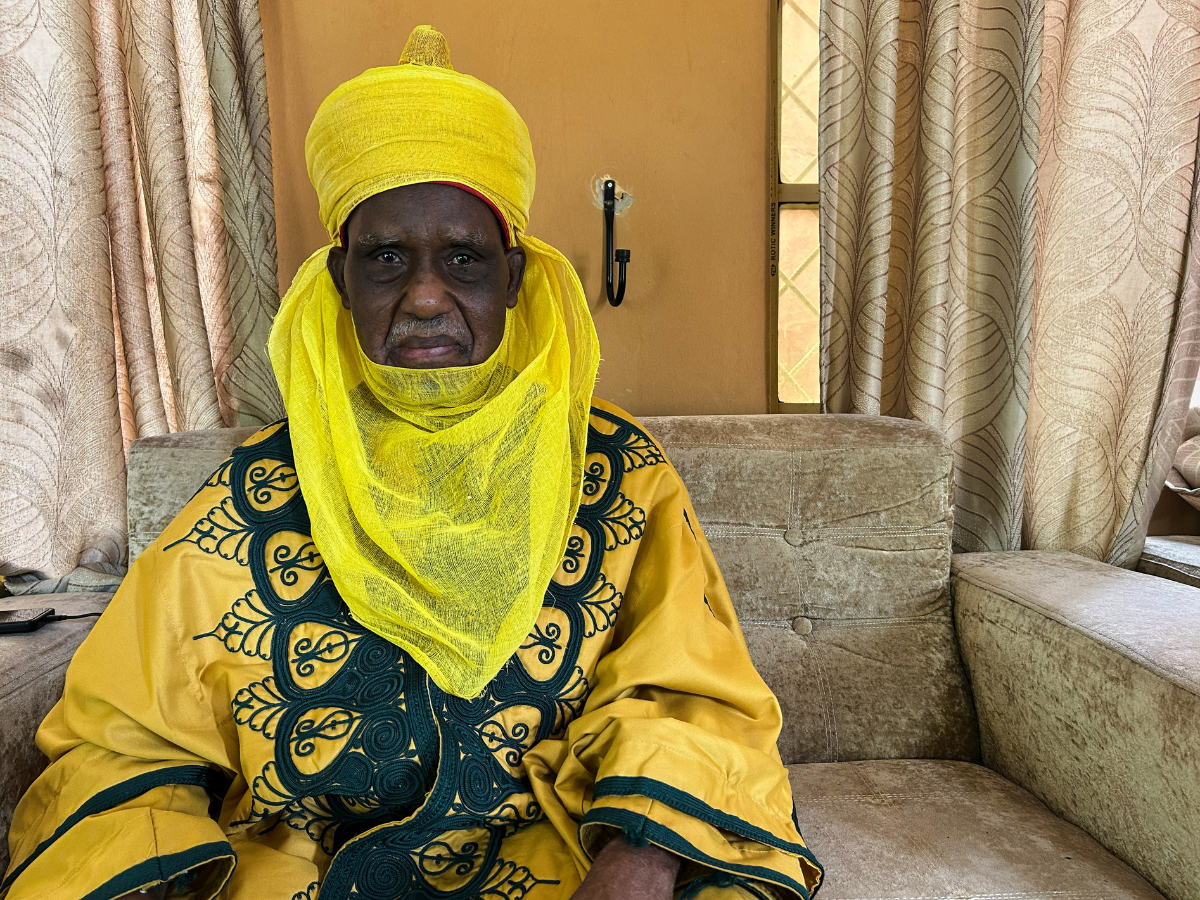
Whenever a vaccination activity is planned, the Emirate Council informs district heads, who then relay the information through ward and community leaders. These leaders encourage caregivers to attend health facilities. “We send letters or messages to district heads informing them of the [vaccination] activity and scheduled time. The district heads then inform the ward heads, who in turn inform the community leaders,” he explained.
The role of traditional leaders extends beyond mobilization. During vaccination campaigns, district heads visit health facilities across their domains to monitor attendance and identify operational challenges. “If people are not attending, we find out why. Then we work with health workers and community leaders to address the problem.”
Addressing vaccine hesitancy through trusted leadership
Although the rate of vaccine acceptance is generally encouraging across the Daura Emirate, traditional leaders remain actively involved in resolving cases of vaccine hesitancy.
Community leaders are the first point of contact when concerns arise. If they cannot resolve an issue, it is referred to the district head. Only in exceptional circumstances does the matter reach the Emir.
According to Kauran Daura, most cases are addressed through dialogue and community engagement long before they need to reach the palace: “Before issues get to the palace, the community or district head would have educated the person.”
He explained that the Emir becomes directly involved only in rare situations where health workers face threats or deliberate obstruction.
Making immunization easier for caregivers
Kauran Daura said the transport support provided through the All Babies program has encouraged more caregivers to attend routine immunization sessions by helping offset the cost of traveling to health facilities and time away from income-generating activities:
“Many caregivers leave their chores and small businesses to come for vaccination. The transport support encourages them to attend.”
He also noted that some caregivers choose to save the cash incentives they receive and use them later for their children's healthcare and other financial needs.
Alongside the transport support, he highlighted the importance of health education provided during immunization sessions, which All Babies also supports. Before immunization begins, caregivers receive information about vaccines, potential side effects, and other reactions to expect after vaccination, helping cultivate confidence and reduce anxiety.
Building on years of experience
Kauran Daura's commitment to improving maternal and child health predates his role in the Emirate Council.
During his years in the civil service, he observed that many women were reluctant to attend health facilities where female health workers were unavailable. He responded by coordinating the deployment of female staff to underserved facilities, which he said increased attendance.
He also introduced mobile antenatal services for hard-to-reach communities, bringing healthcare closer to families who faced barriers in accessing fixed health facilities.
These experiences continue to shape the Emirate's approach to routine immunization today: bringing services closer to communities, working through trusted local leaders, and removing barriers that prevent children from receiving life-saving vaccines.
Strengthening collaboration
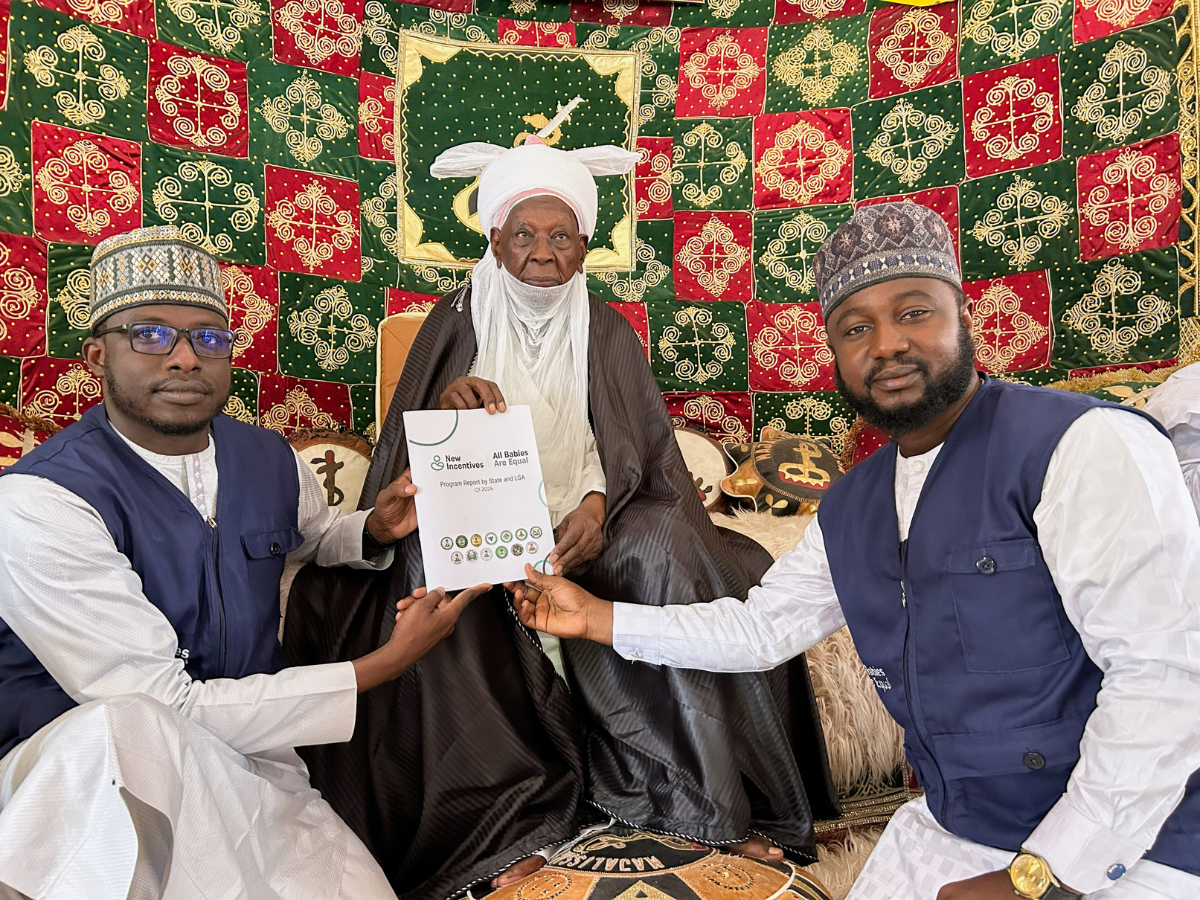
The engagement also provided an opportunity to review routine immunization performance across the Daura Emirate and discuss challenges affecting service delivery, including vaccine stockouts in some local government areas. During the discussion, the Emir directed the team to engage local government chairmen to explore additional support for vaccine transportation and logistics for clinic staff.
For Kauran Daura, sustained collaboration between government, traditional institutions, and partners remains essential.
“Our advice to All Babies,” he stated, “is that they should continue to seek the support needed to sustain this program because it strengthens people's health and benefits the community.”
Through leadership rooted in both public service and traditional authority, the Daura Emirate continues to demonstrate how community structures can contribute to improving routine immunization and protecting children's health.
%20(4).png)



.png)