.svg)
.svg)
Home - Blog
One-on-One with Ƴan Dakan Katsina: Bringing Immunization Messages Closer to Families
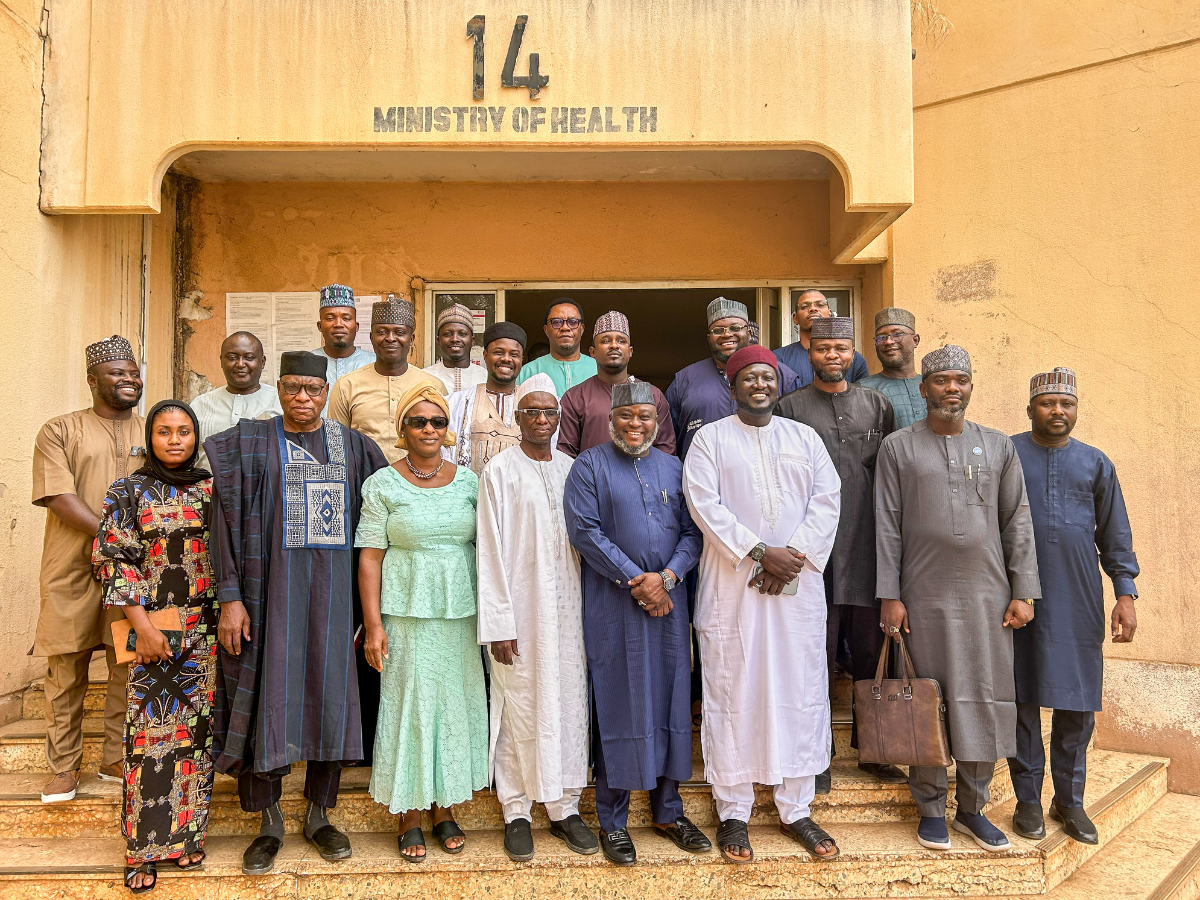
In May, All Babies met with Ƴan Dakan Katsina, the Katsina State representative of the Northern Traditional Leaders Committee, to strengthen traditional leadership support for routine immunization, address caregiver concerns about vaccines, and align on ways to bring trusted immunization messages closer to families.
Traditional leaders remain central to community trust in Northern Nigeria. In Katsina State, where caregivers may still face misinformation and uncertainty about vaccine safety, that trust is especially important for routine immunization.
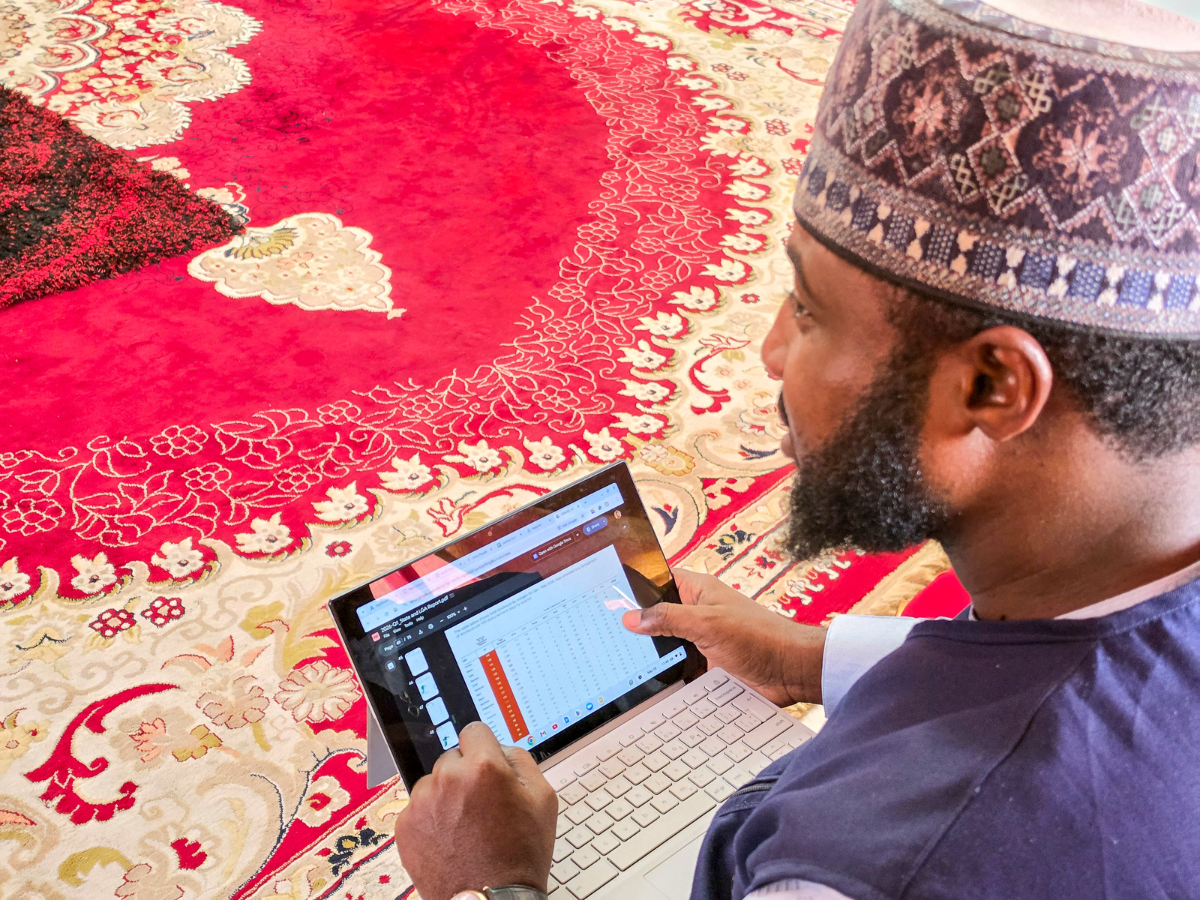
This was the focus of a stakeholder engagement between the All Babies team and Alhaji Sada Muhammad Sada, the Ƴan Dakan Katsina and representative of the Northern Traditional Leaders Committee (NTLC) in Katsina State, at his residence in Dutsin-Ma Local Government Area of Katsina State. The engagement was led by Operations Coordinator Ahmad Liadi, with the State Field Manager Yusuf Umar also in attendance.
For All Babies, the visit was part of ongoing efforts to strengthen collaboration with traditional institutions and sustain support for routine immunization across the state.

Traditional leaders as trusted community links
Speaking during a one-on-one interview, Ƴan Dakan Katsina said traditional leaders live close to the people, understand local realities, and often serve as the bridge between government, development partners, and households.
He explained that when traditional leaders are properly informed about health activities, they can help mobilize communities and improve participation. “Traditional leaders are gatekeepers,” he said, noting that development partners and government agencies often rely on community leadership structures to reach families effectively.

Understanding why some families delay vaccination
Ƴan Dakan Katsina identified four major reasons some parents refuse or delay vaccination. These include poor knowledge of vaccine benefits, poverty, and religious misunderstanding and misinformation.
He said some parents still assume vaccines are ineffective or expensive, even though routine immunization services are provided free by the government. For others, the challenge is not refusal but access. Some caregivers, especially mothers, may struggle to pay for transportation to health facilities.
This, he said, makes outreach services important because they bring vaccination closer to settlements and reduce the burden on families. He also addressed misinformation, including the false claim that polio vaccines cause infertility. He said such claims are not supported by the lived experience of vaccinated people who later have children and raise families.

Countering rumors through visible leadership
To counter misinformation, Ƴan Dakan Katsina said traditional leaders must speak openly with community members and show visible confidence in vaccines:
“I vaccinate my own children publicly. That is how I build trust.”
He explained that people are more likely to accept vaccination when they see respected leaders participate and demonstrate confidence in the process. He compared this with the COVID-19 vaccination campaign, when public vaccination of respected leaders, including the Emir and the Governor of Katsina State, helped reduce fear and resistance.
In response to religious framings that sometimes discourage attaining health through routine immunization, Ƴan Dakan Katsina said he offers a counter-framing grounded in the same religious tradition. “Islam encourages the pursuit of good health, because without it, a person cannot worship or serve their responsibilities,” he recalled telling a father in Dutsin-Ma.
State Field Manager Yusuf Umar agreed that this type of endorsement is critical because traditional leaders understand local concerns in ways external actors may not.
“When a respected traditional leader like Ƴan Dakan Katsina speaks in favor of immunization, it carries weight that no poster or radio jingle can match,” he said.
He added that caregivers often raise concerns about vaccine safety, side effects such as fever, rumors about infertility, repeated doses, stock-outs, and distance to health facilities. In such contexts, endorsement from trusted community leaders can help present vaccination as a shared community priority, not just a government instruction.

How All Babies works with local leadership
According to Operations Coordinator Ahmad Liadi, the purpose of this engagement was to strengthen collaboration and secure continued support from a key traditional leader in Katsina State.
He said the All Babies program hopes to receive advocacy, guidance, and community mobilization support from Ƴan Dakan Katsina, including assistance in communicating key messages to district heads.
The meeting also fit into All Babies’ broader stakeholder engagement strategy, which prioritizes regular engagement with influential decision-makers who can help improve routine immunization outcomes.
Ƴan Dakan Katsina also spoke about the impact of All Babies’ work in Katsina State. He said, “Vaccination uptake has improved [in Katsina], and transport support for caregivers has helped more families attend immunization sessions.” He clarified that the support should not be seen as payment for vaccination, but as assistance to help families cover transport costs.

Bringing immunization messages closer to families
Regarding the way forward, Ƴan Dakan Katsina emphasized regular communication between development partners, traditional leaders, and clinic staff. He advised that district heads in local government areas where All Babies operates should be fully informed about planned activities and interventions. Once informed, he said, traditional leaders can mobilize community structures and encourage parents to participate.
For the All Babies teams, the expected next step is stronger traditional leader participation in awareness activities, outreach sessions, and the resolution of non-compliance cases. The State Field Manager said the team will continue regular check-ins with traditional leaders and brief the State Health Educator, who also supports the All Babies monthly radio program on Vision FM Katsina.
The engagement ended with a clear assessment: immunization messages travel further when they are carried by people communities already know and trust. In Katsina, traditional leaders remain our active and important partners in bringing those messages closer to families and helping more children receive life-saving vaccines.







.png)