.svg)
.svg)
Home - Blog
7 Million Infants and Counting: Strengthening Routine Immunization in Northern Nigeria
Protecting children against vaccine-preventable diseases requires more than vaccines alone. It depends on informed caregivers, strong government health systems, and collaboration among health workers, traditional and religious leaders, and development partners. When All Babies Operations Director Mubarak Bawa appeared on Daybreak Extra, a live morning program on Trust TV, he discussed the importance of all these elements.
Routine immunization remains one of the most effective public health interventions for protecting children against vaccine-preventable diseases. Through Nigeria's national immunization schedule, children receive vaccines that protect them against diseases such as tuberculosis, polio, hepatitis B, diphtheria, pertussis, tetanus, measles, and yellow fever. Vaccination against malaria is also underway in some states.
During his recent appearance on Trust TV’s Daybreak Extra, All Babies Operations Director Mubarak Bawa encouraged parents and caregivers to begin vaccination soon after birth and complete all recommended visits at their nearest government health facility.
“Vaccines are provided free of charge,” he said. “The important thing is for caregivers to know when to return and complete the vaccination schedule.”
.png)
Supporting caregivers through routine immunization
The conversation also explored how the All Babies Program works alongside government health systems to support routine immunization services.
Since launching in 2017, the program has enrolled more than 7.1 million infants across 11 northern Nigerian states, encouraged more than 110 million vaccinations, and disbursed over ₦45 billion in cash to eligible caregivers to help offset transportation and other costs associated with attending vaccination appointments.
Mubarak explained that field officers also provide practical support during clinic visits. They explain the vaccination schedule, answer caregivers' questions, discuss expected mild side effects after vaccination, and encourage families to complete every routine immunization visit.
“You need an informed caregiver,” he said. “When caregivers understand why vaccination is important and know when to return, they are better prepared to complete the schedule.”
%20(5).png)
Partnerships beyond the health facility
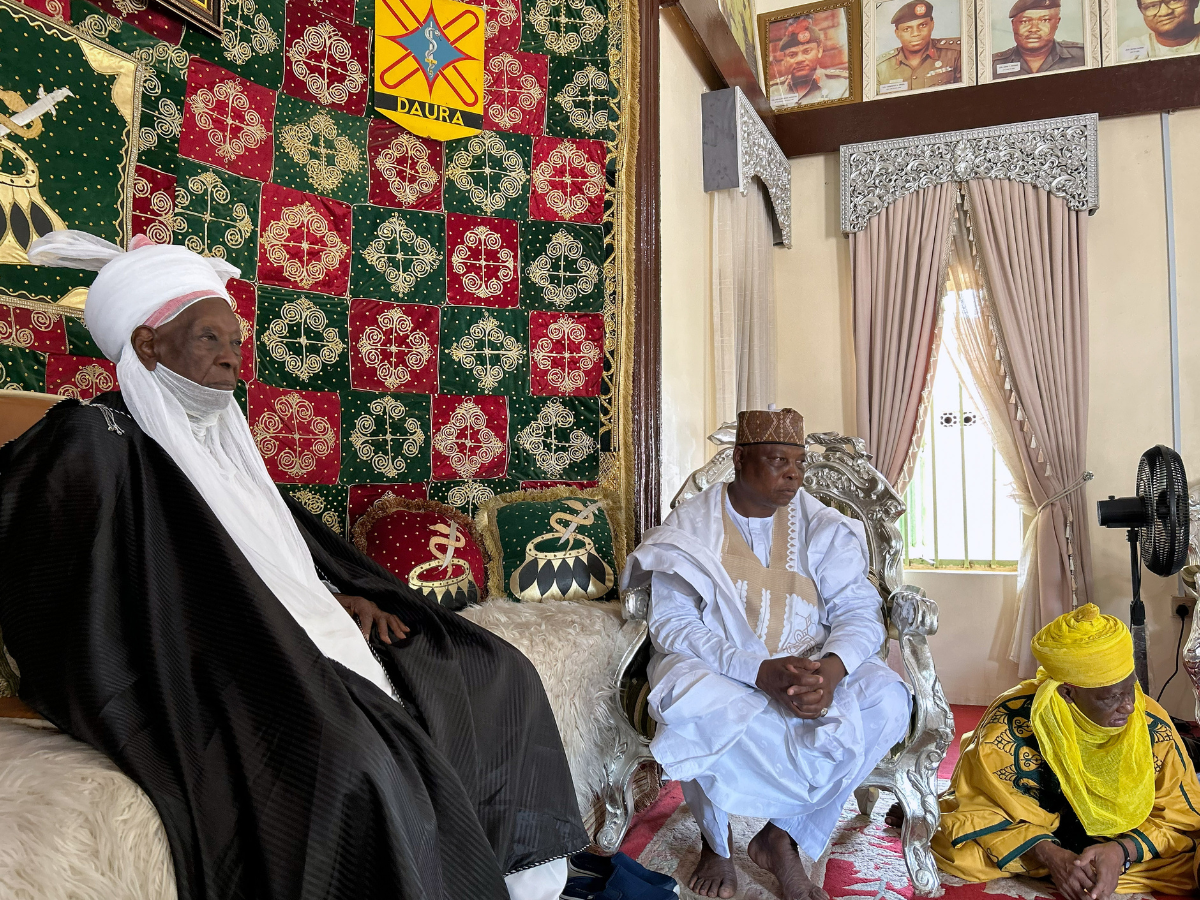
Much of the discussion focused on the partnerships that support routine immunization across northern Nigeria. Mubarak highlighted the role of government health ministries, state primary health care agencies, frontline health workers, traditional and religious leaders, and community stakeholders in promoting childhood vaccination.
He described how community awareness meetings, radio jingles, monthly phone-in programs supported by All Babies, and other communication activities provide opportunities to answer questions, address misinformation, and encourage caregivers to bring their children for vaccination.
These activities complement the work taking place inside health facilities, where routine immunization providers conduct health talks before vaccination sessions, and All Babies field officers reinforce key messages while explaining the program.

Engaging families in vaccination decisions
The interview also touched on the role families play in childhood immunization.
Mubarak explained that community engagement activities often include fathers and other household decision-makers, recognizing the influence they have on healthcare choices within families. Providing accurate information about vaccines helps them make informed choices and respond confidently when concerns arise.
He also noted that many questions raised during awareness meetings are practical, giving health workers and field teams an opportunity to clarify misconceptions before they become barriers to vaccination.
Looking ahead
The program concluded with a discussion about the future of routine immunization in northern Nigeria and the importance of maintaining strong partnerships as All Babies continues to grow.
Mubarak reaffirmed All Babies’ commitment to supporting government-led routine immunization services through caregiver education, community engagement, cash incentives, and close collaboration with health authorities and community leaders.
“Every child deserves the opportunity to receive life-saving vaccines,” he said. “That requires all of us working together.”
%20(4).png)



.png)